Recently a team of our options teachers from the SW and NW junior highs travelled to Lethbridge to meet with different experts from the University of Lethbridge and Lethbridge Polytechnic to learn more about post-secondary programs, projects and software that we might bring back to STEMIA to prepare our Future Ready Leaders for their next steps in STEM.
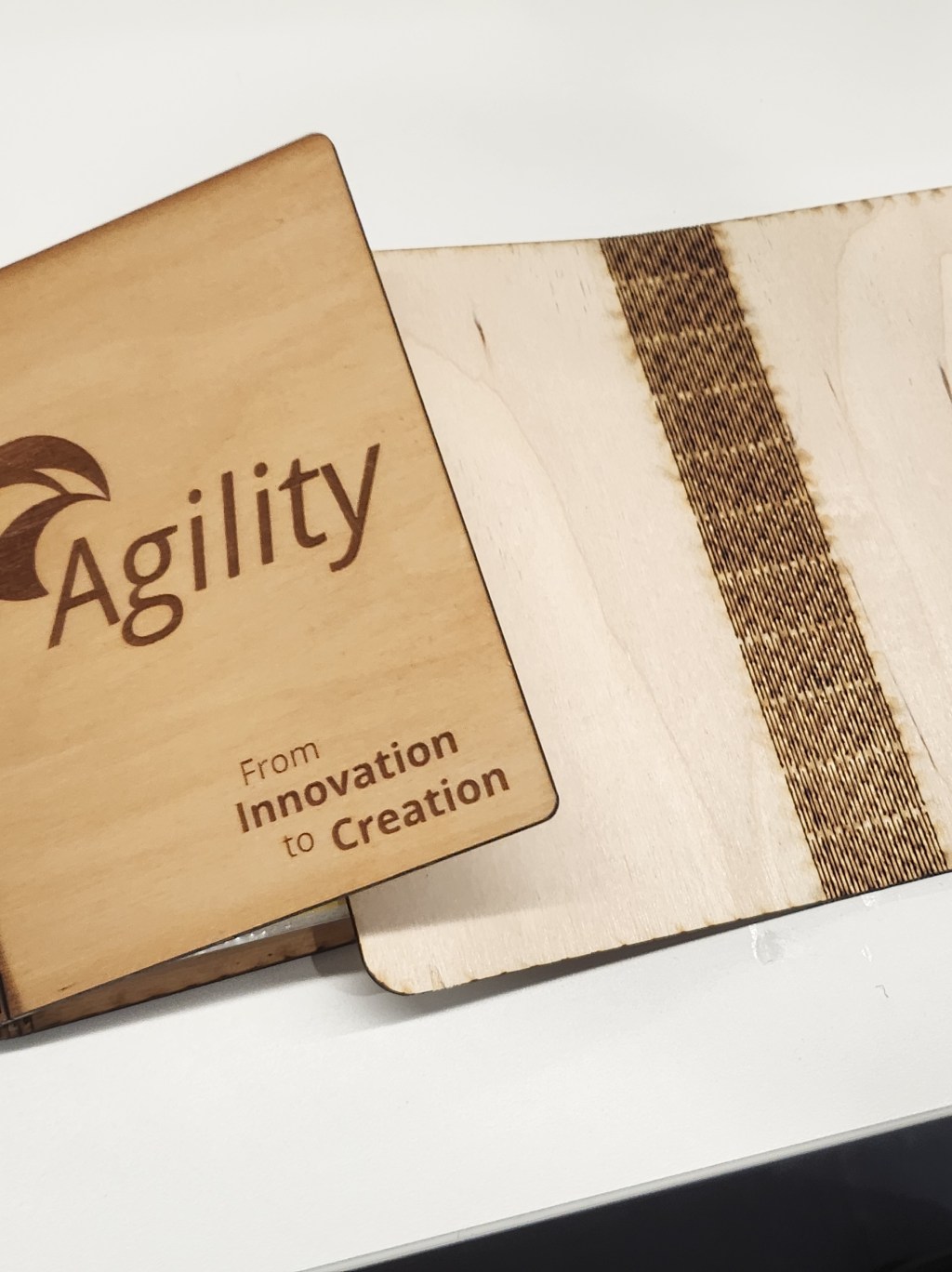
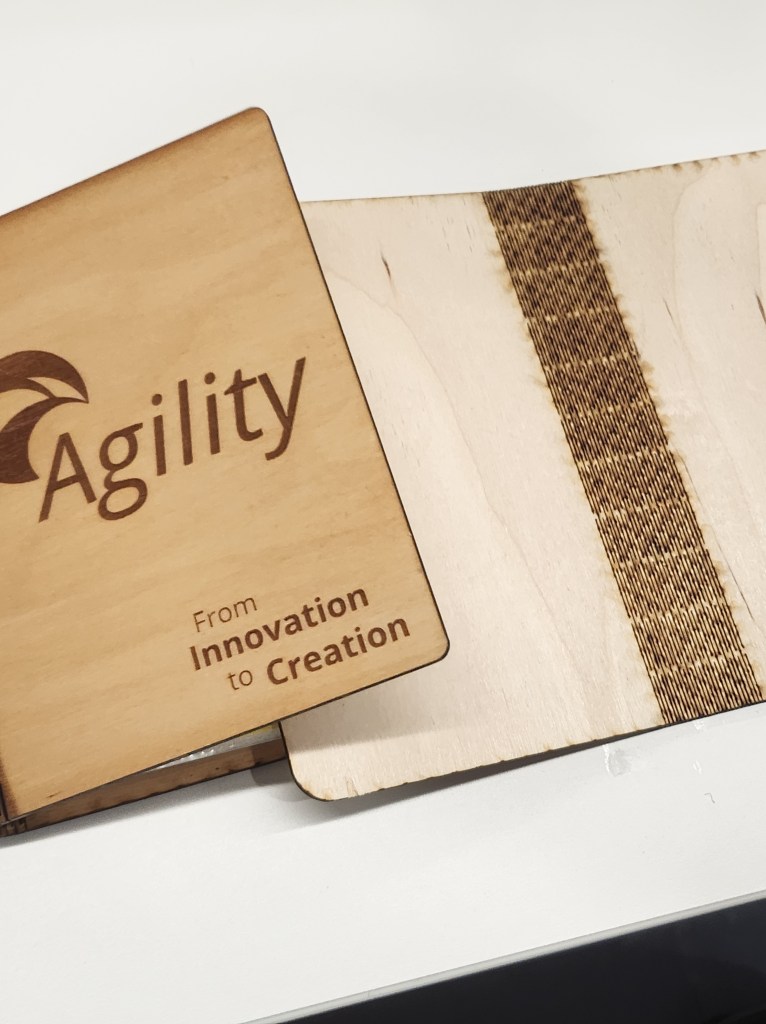
Our first stop was to the Agility Innovation Zone at the University of Lethbridge in the new Sciences building that opened in 2019.
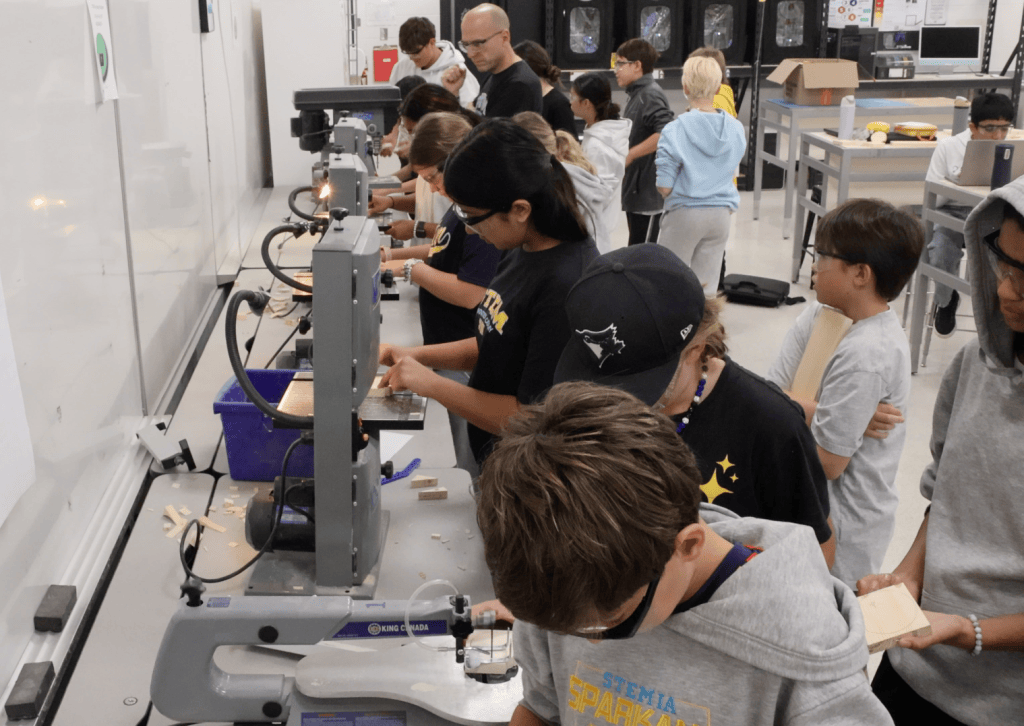
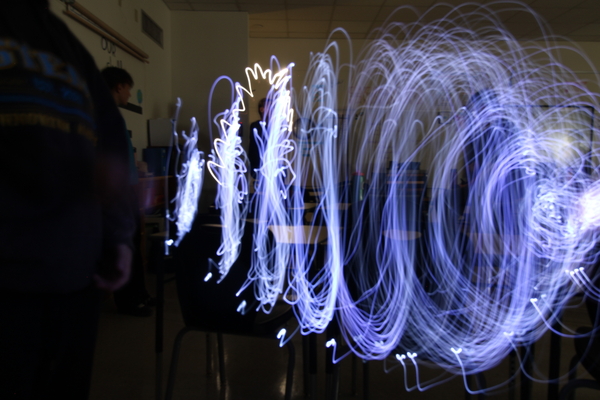
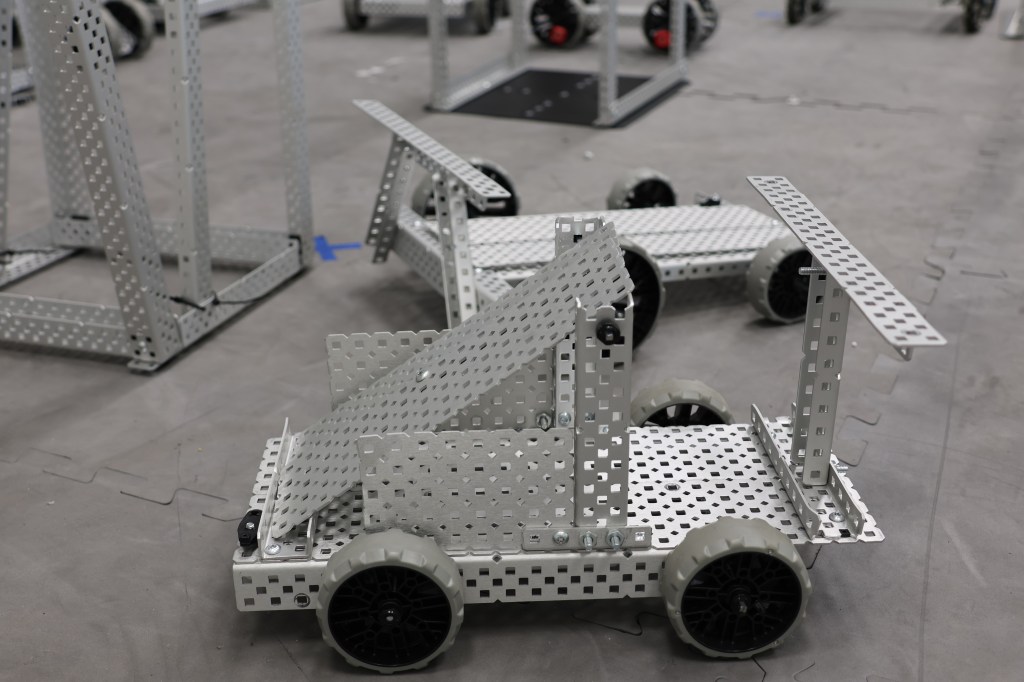
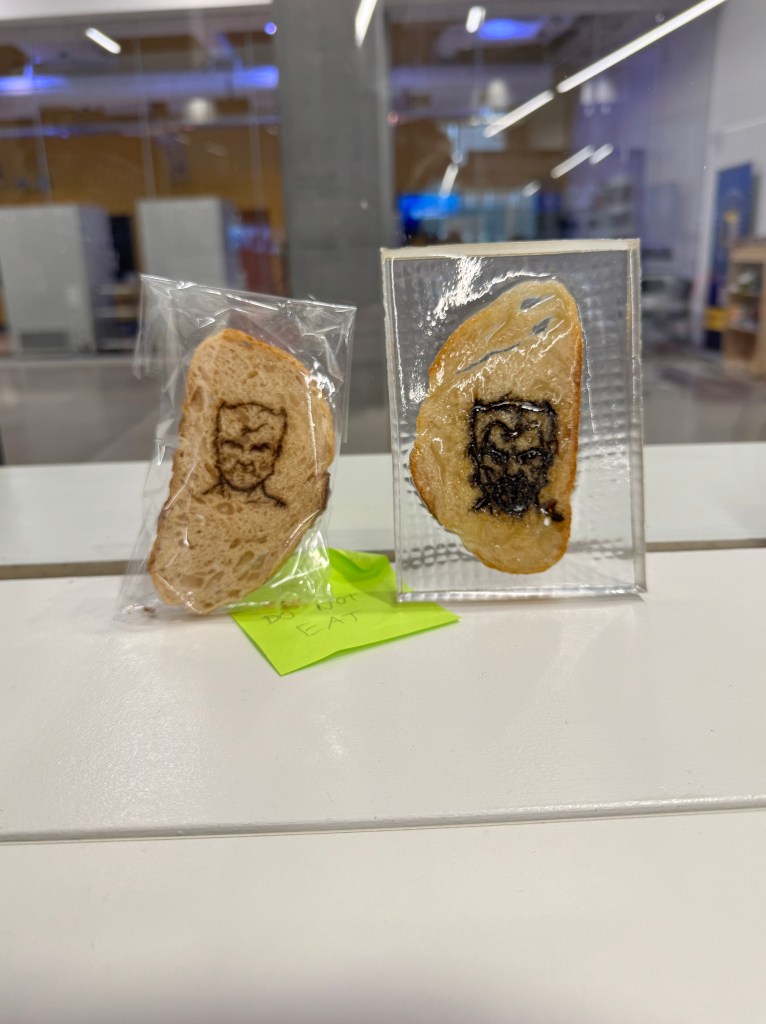
We learned about how the maker space serves as a collision space for students and staff from all faculties to use the various tools and software to create prototypes and projects. The staff in the space also run Design Thinking workshops, similar to our work in the options with the STEMIA Design Process. Here we saw the skills of Design and Engineering and Computational Thinking come together in some creative and innovative projects.
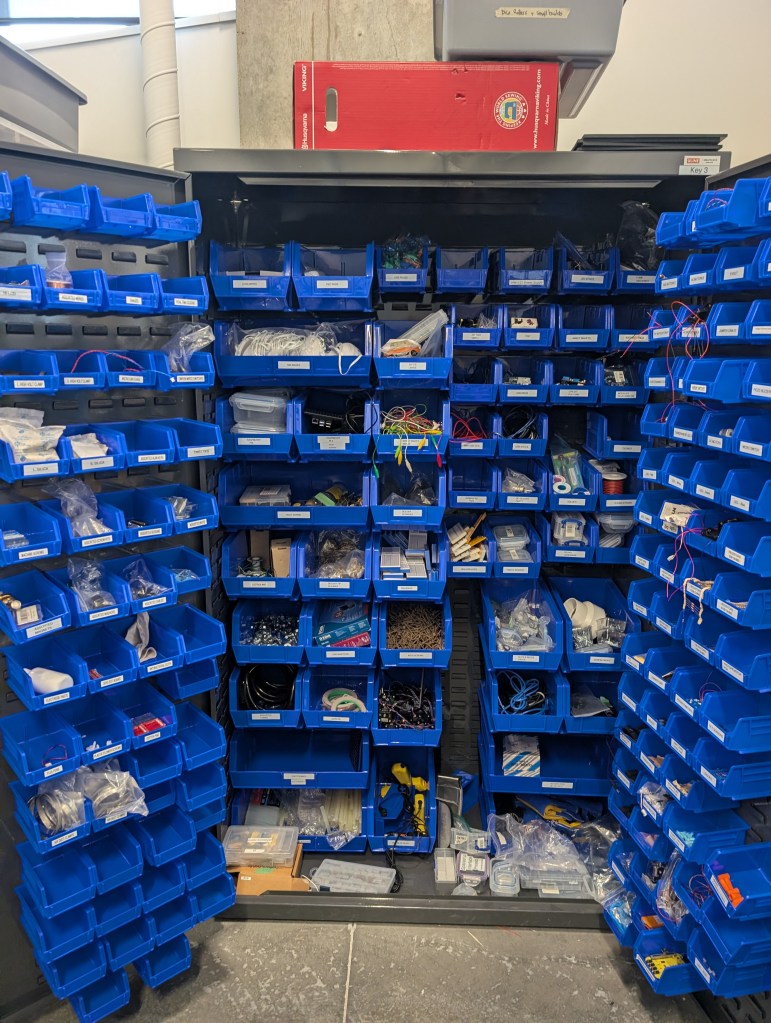
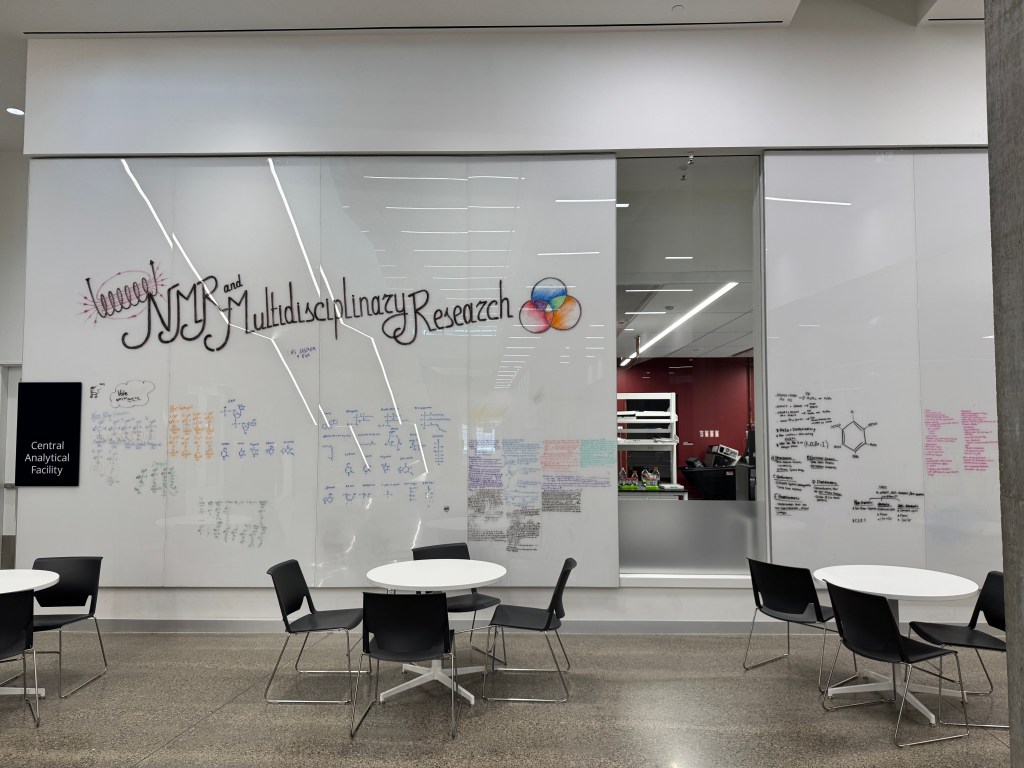
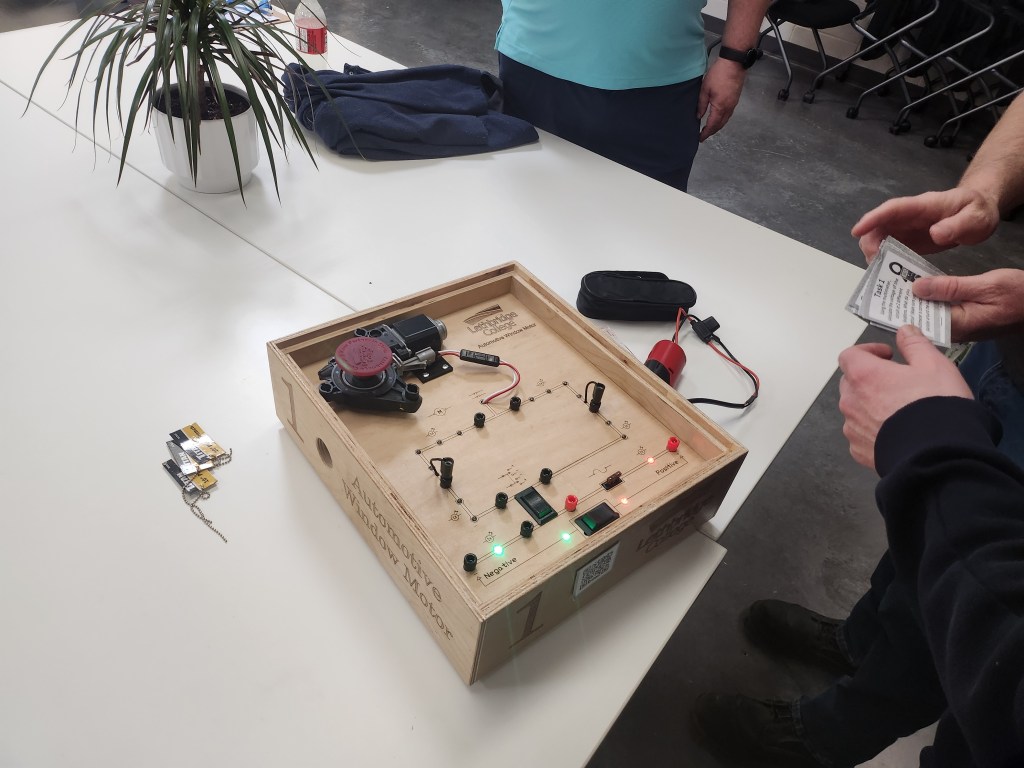
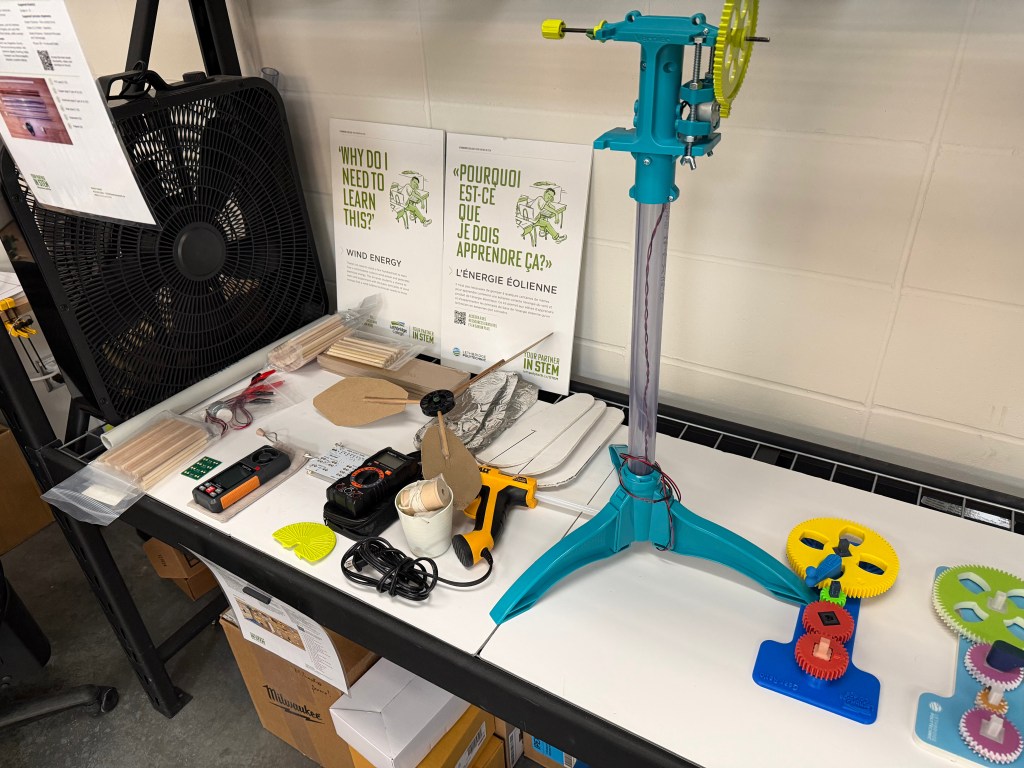
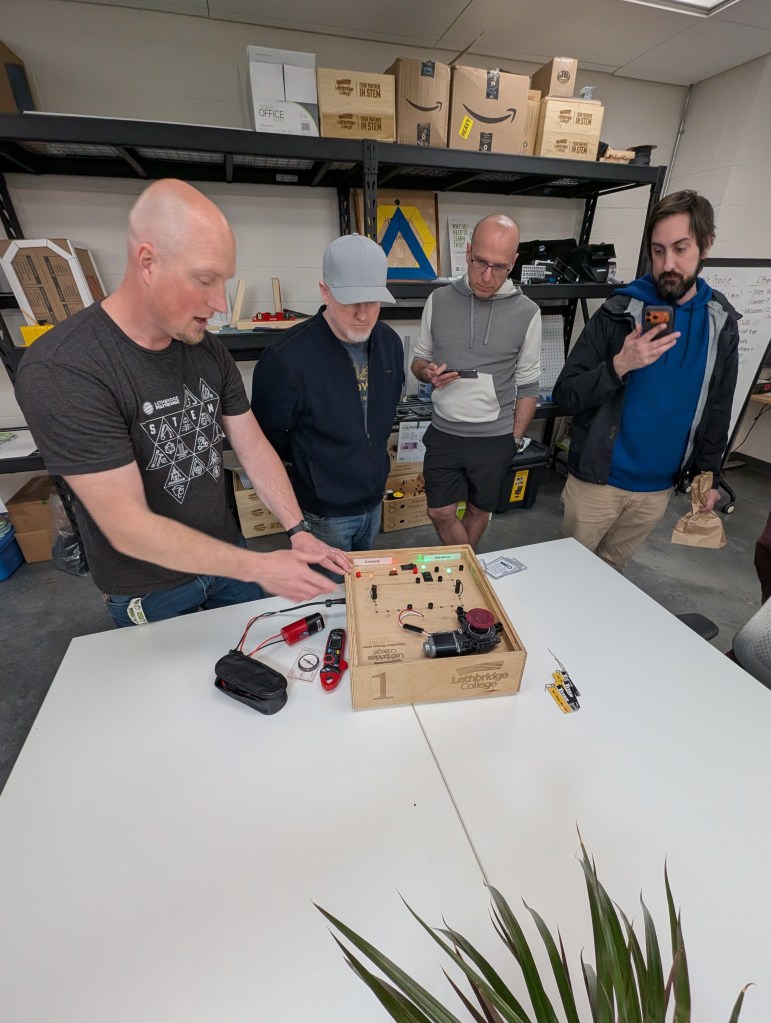
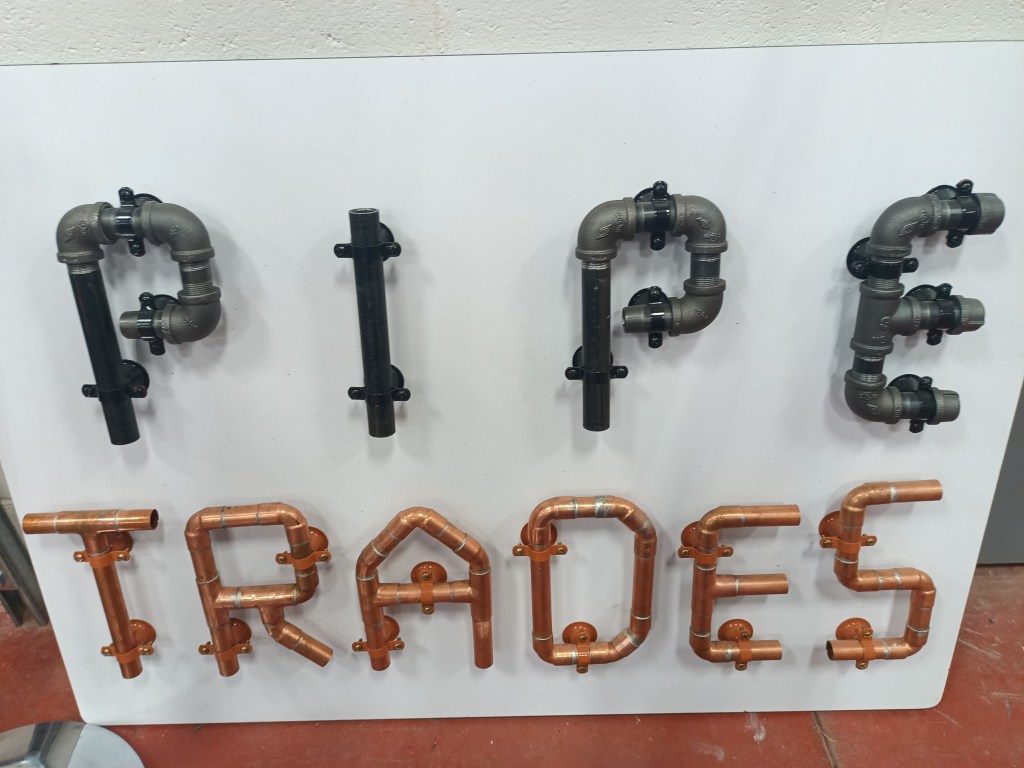
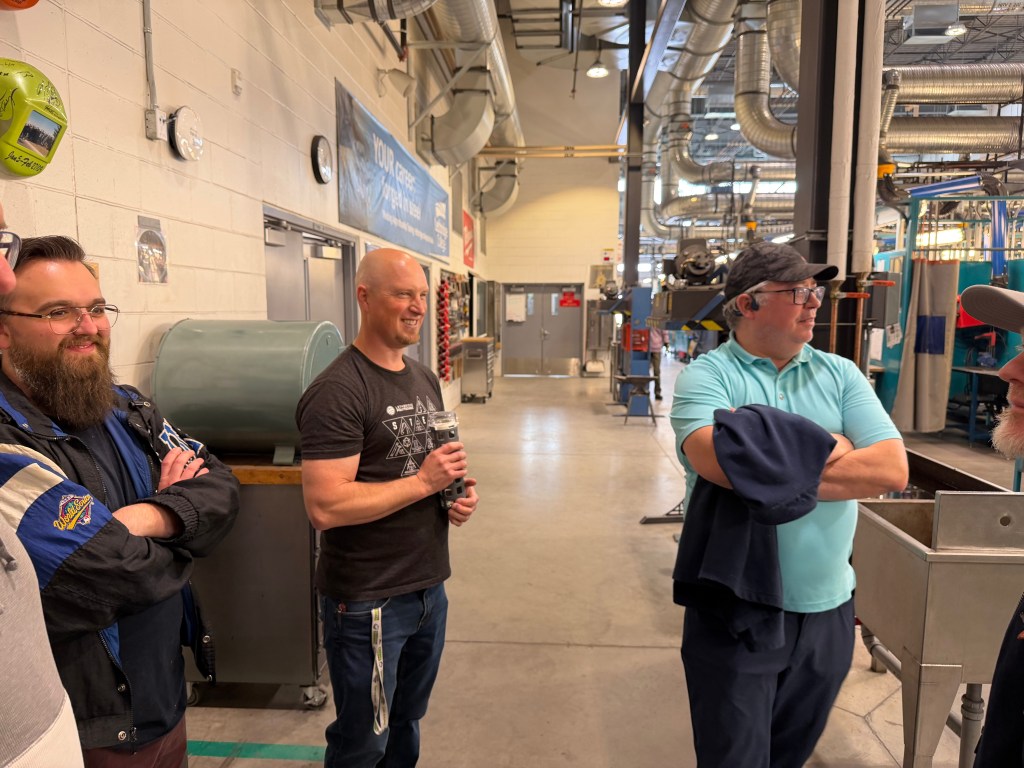
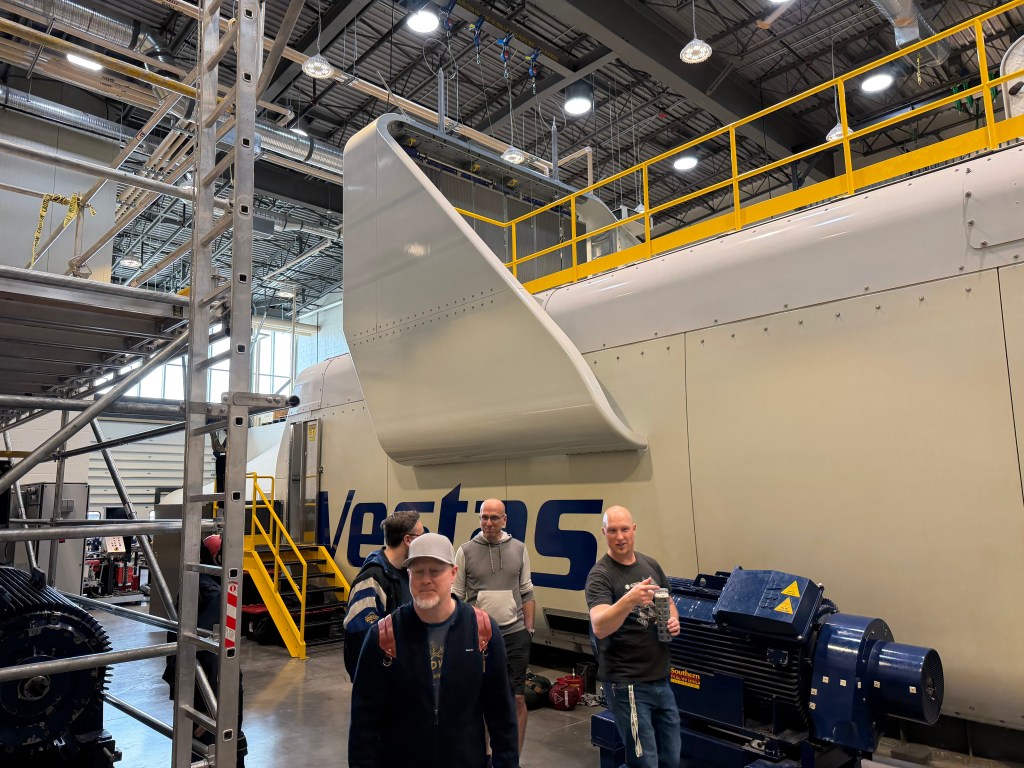
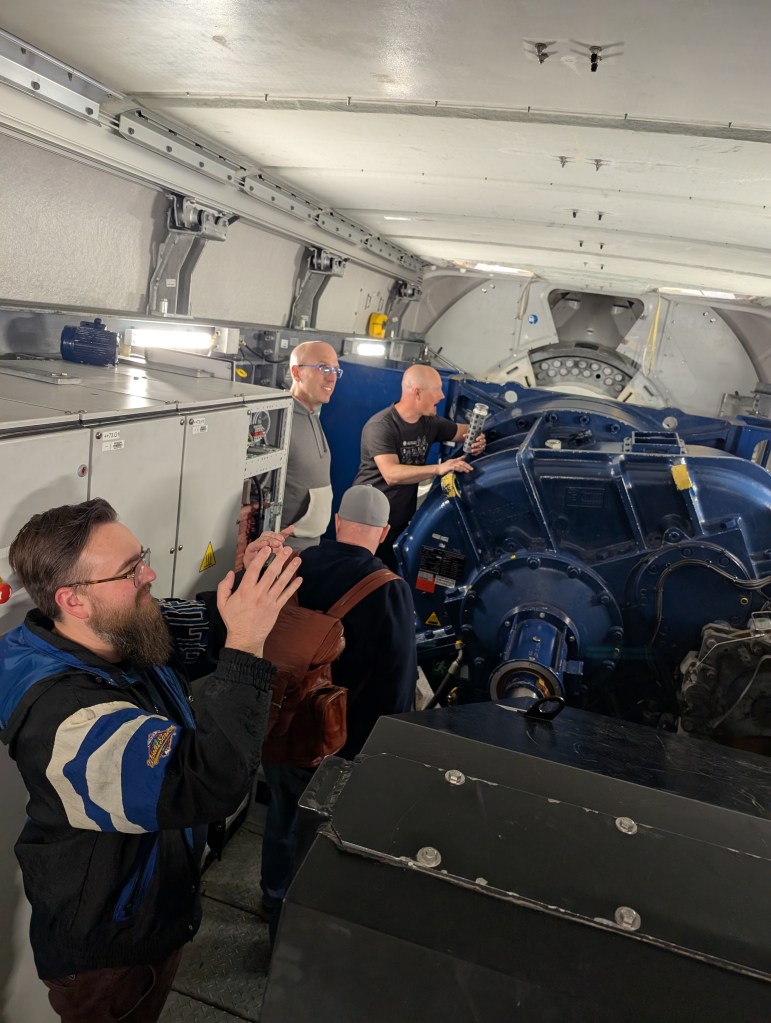
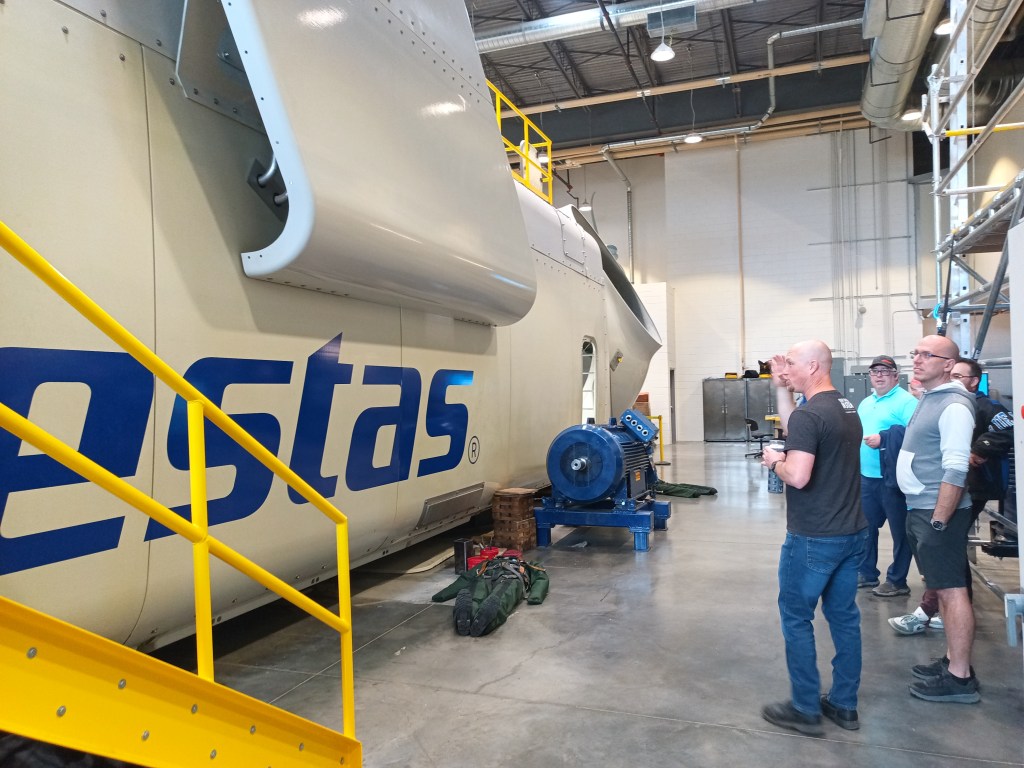
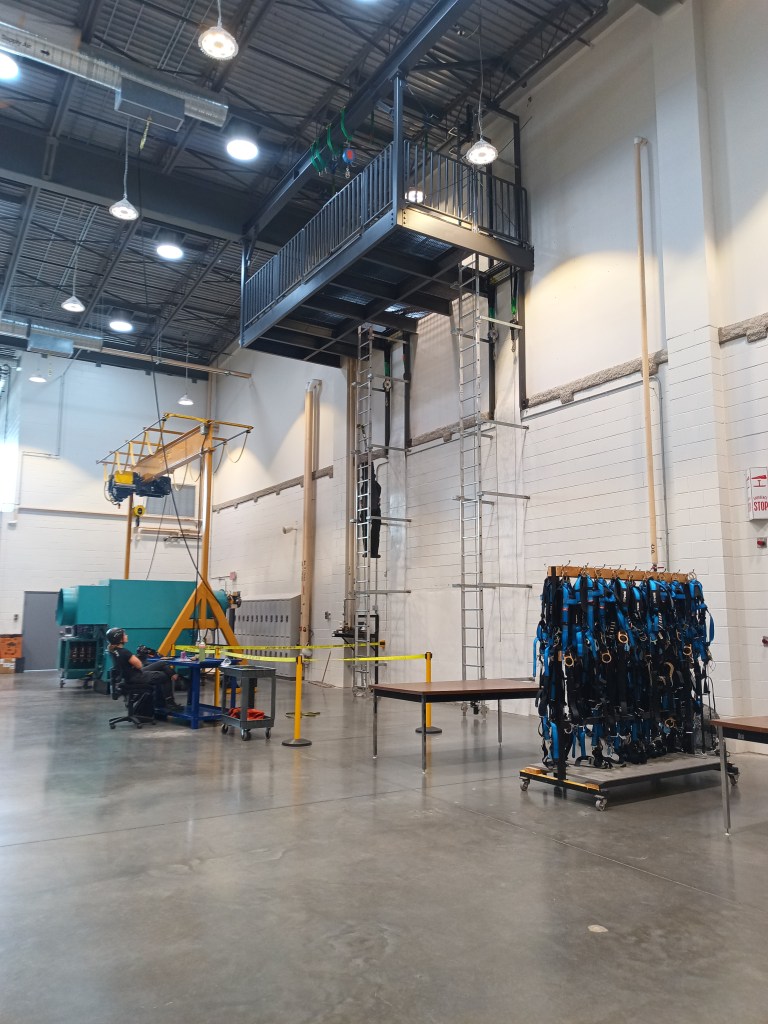
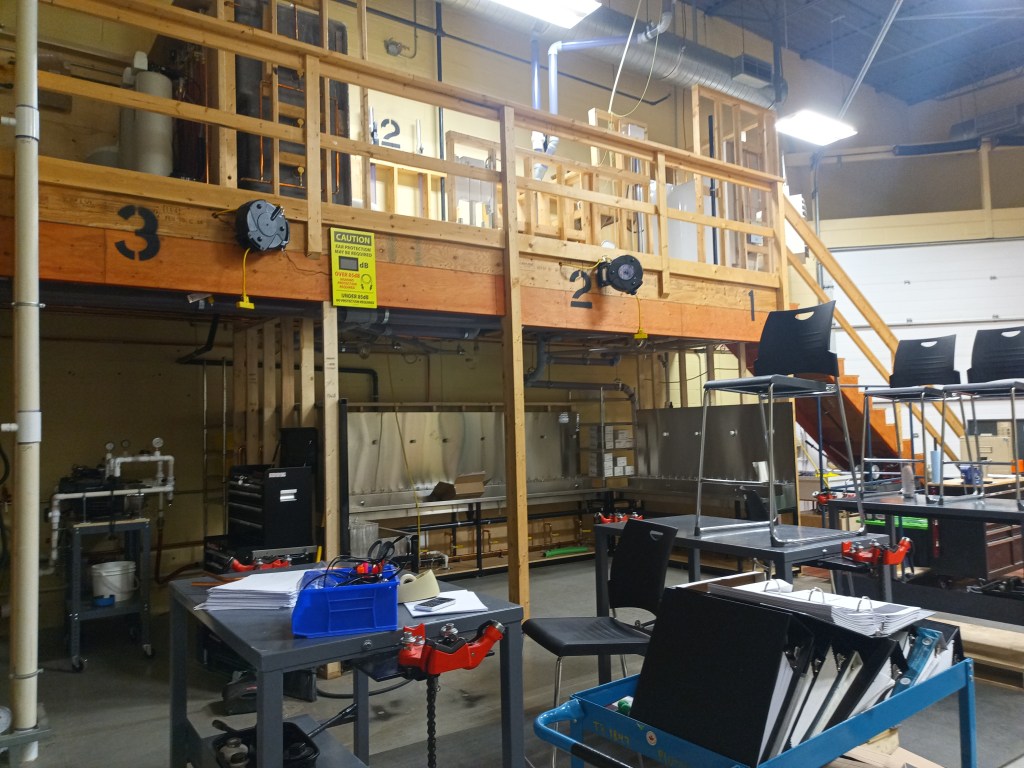
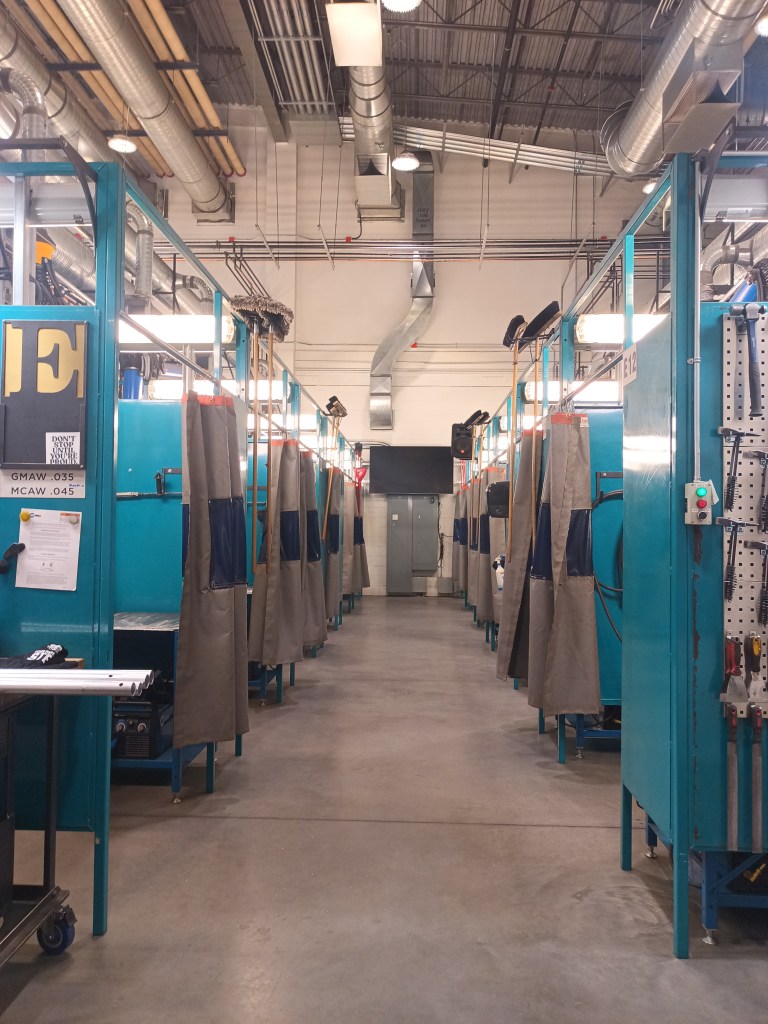
Our next visit was to Lethbridge Polytechnic where we met Warren Anderson, the STEM Project Manager for Youth Initiatives. Warren shared their Kindergarten to grade 12 STEM Initiative that connects classroom teachers with videos, lesson plans, and even kits that can be mailed to your school to encourage hands-on learning of the Alberta Science and Math curricula. He was generous with his time, guiding us through several of the Polytechnic’s impressive learning spaces, including the Wind Turbine Technician shop, pipefitting, Culinary Arts, heavy equipment, and mechanics. These environments house professional-grade tools, allowing students to work on real-world projects alongside experts.
Next, we met with Nick Sullivan from the Faculty of Fine Arts and Dana Cooley, Chair of the New Media Department. With our Grade 7–12 New Media Strand courses at STEMIA, we were eager to learn more about their dual-degree programs, learning spaces, educational philosophy, and project ideas.
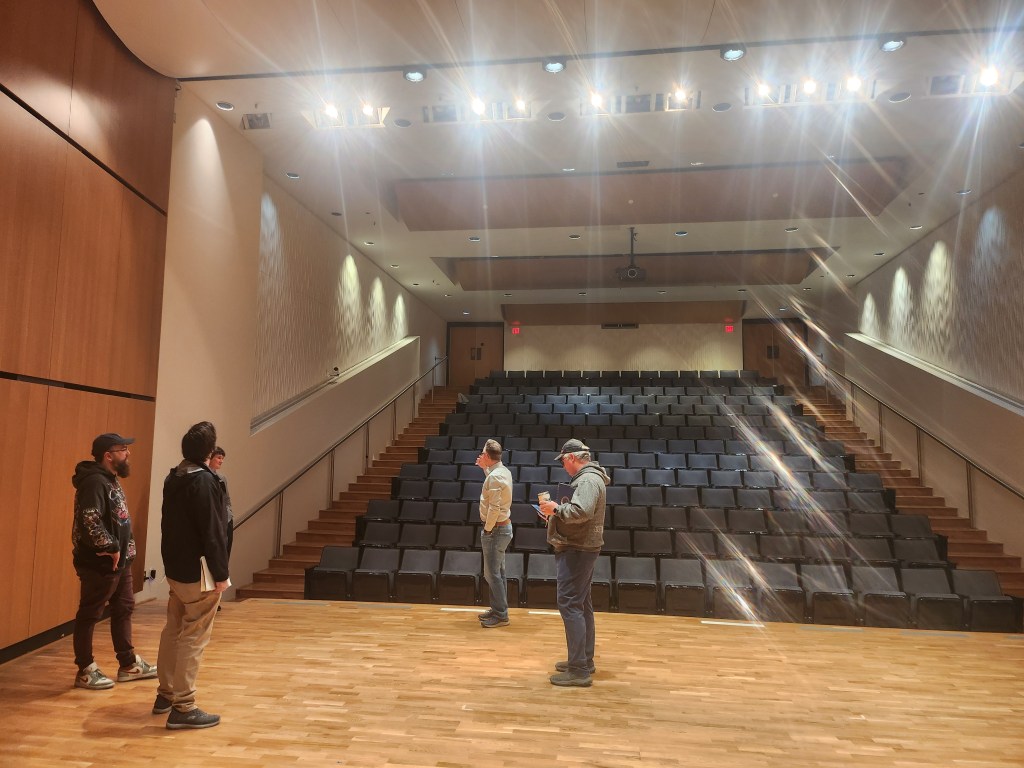
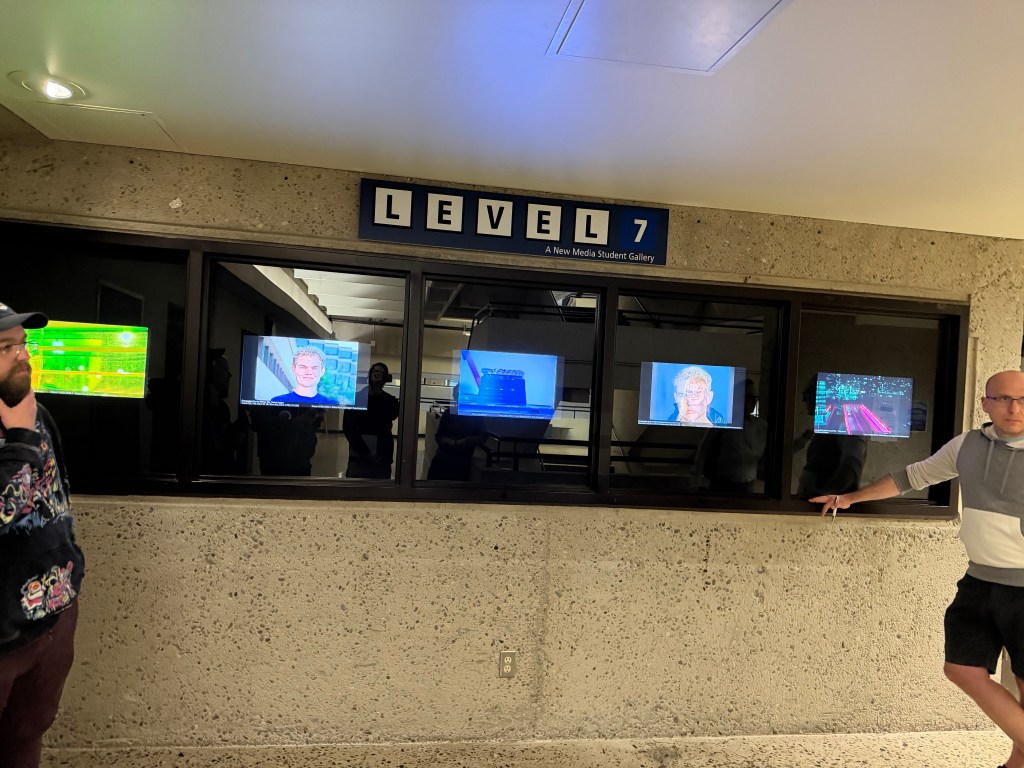
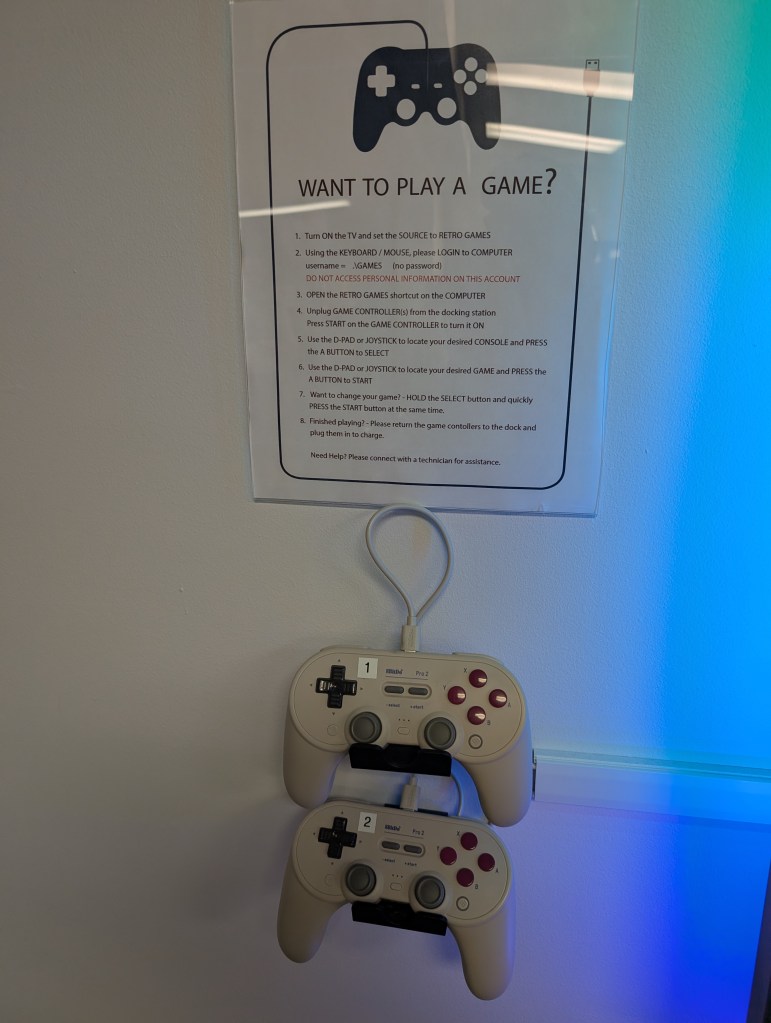
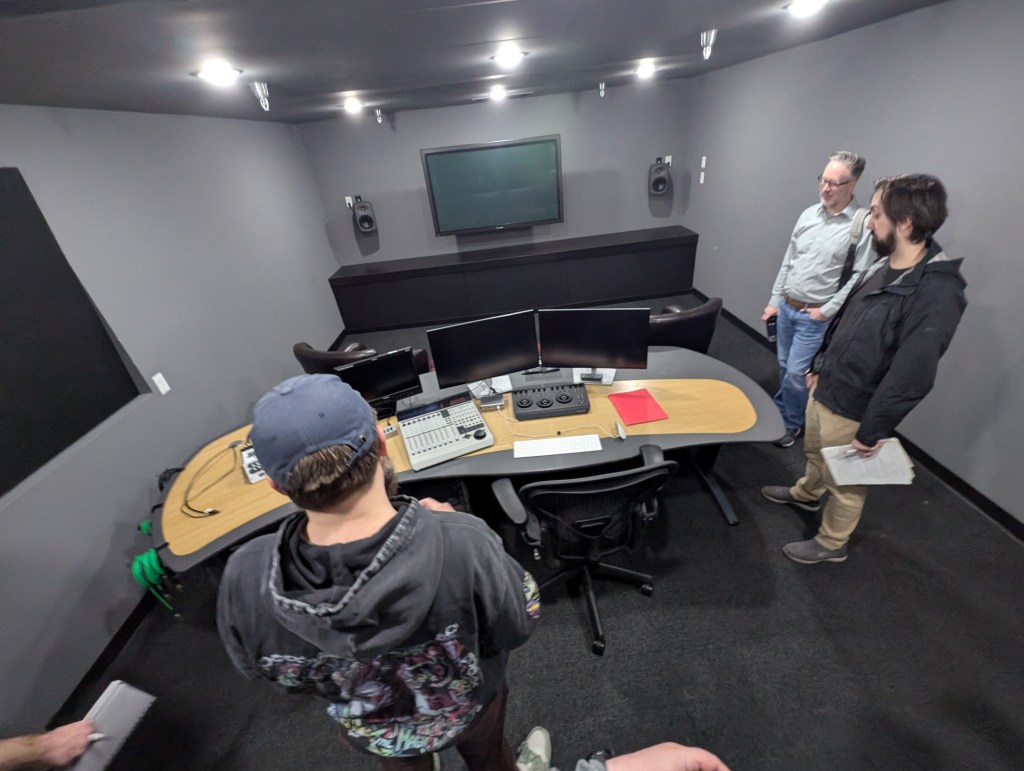
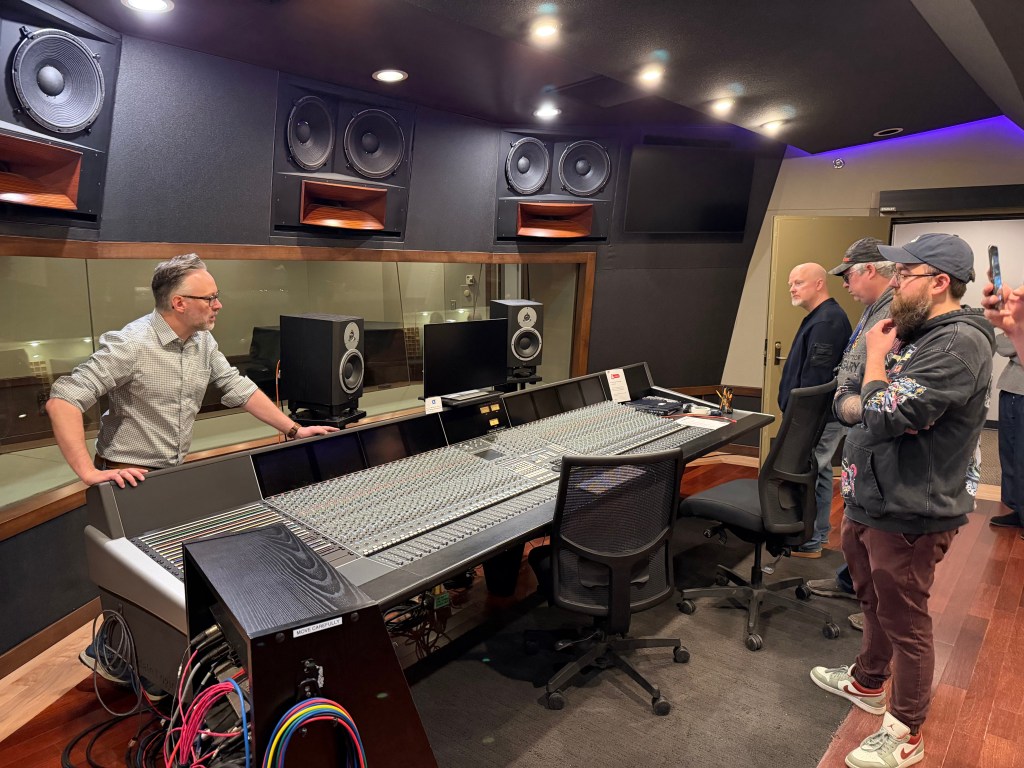
We were toured through the Video Game Design lab and archive, as well as the computer labs, video editing suites, recording studios, galleries, classrooms, theatres and more.
We also had time to discuss student skill development, curriculum connections, and emerging challenges and opportunities related to artificial intelligence and software sovereignty. We hope to attend the “Vibe Fest” student showcase at the end of their term next year to see some of the innovative New Media projects developed through the program.
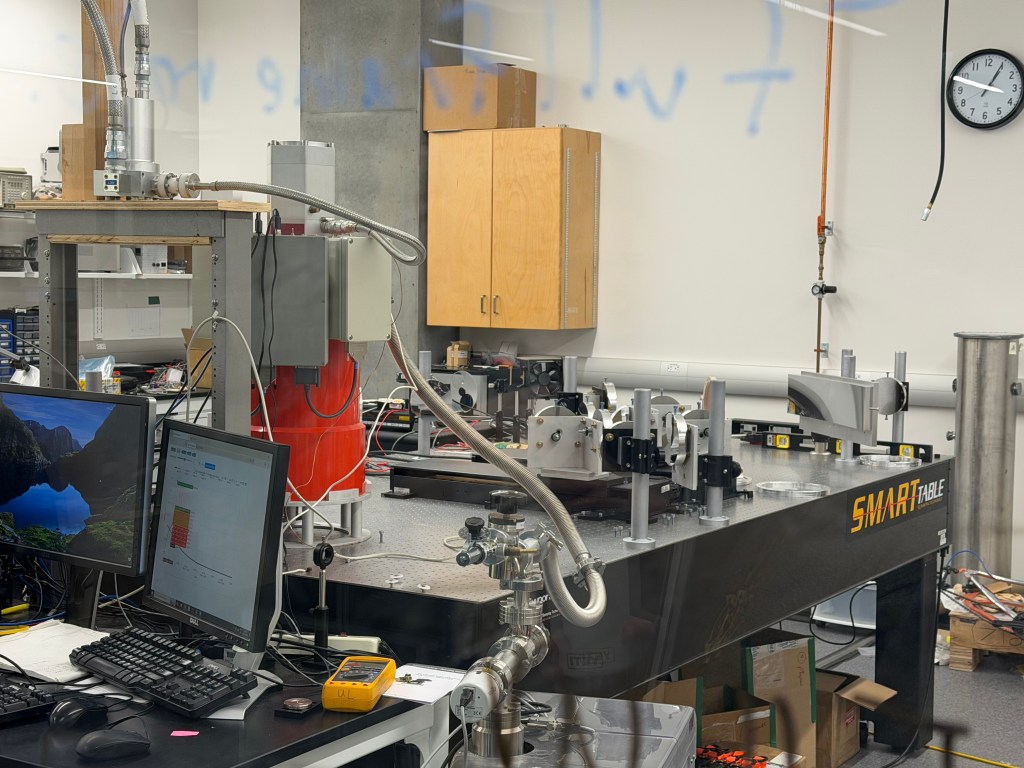
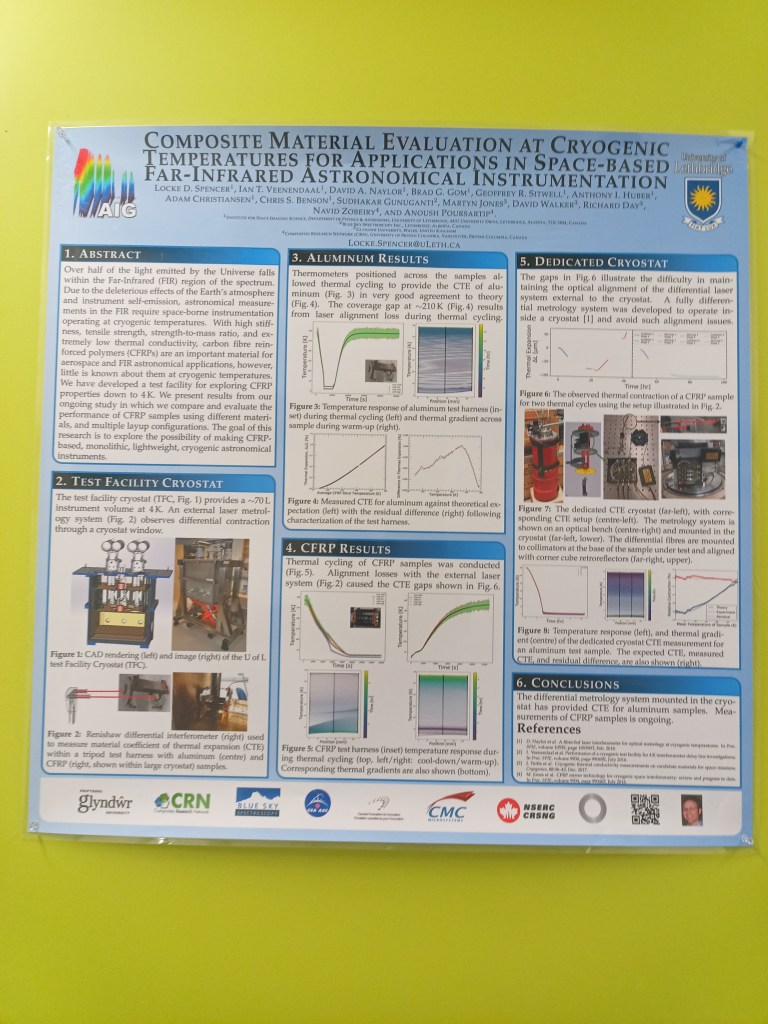
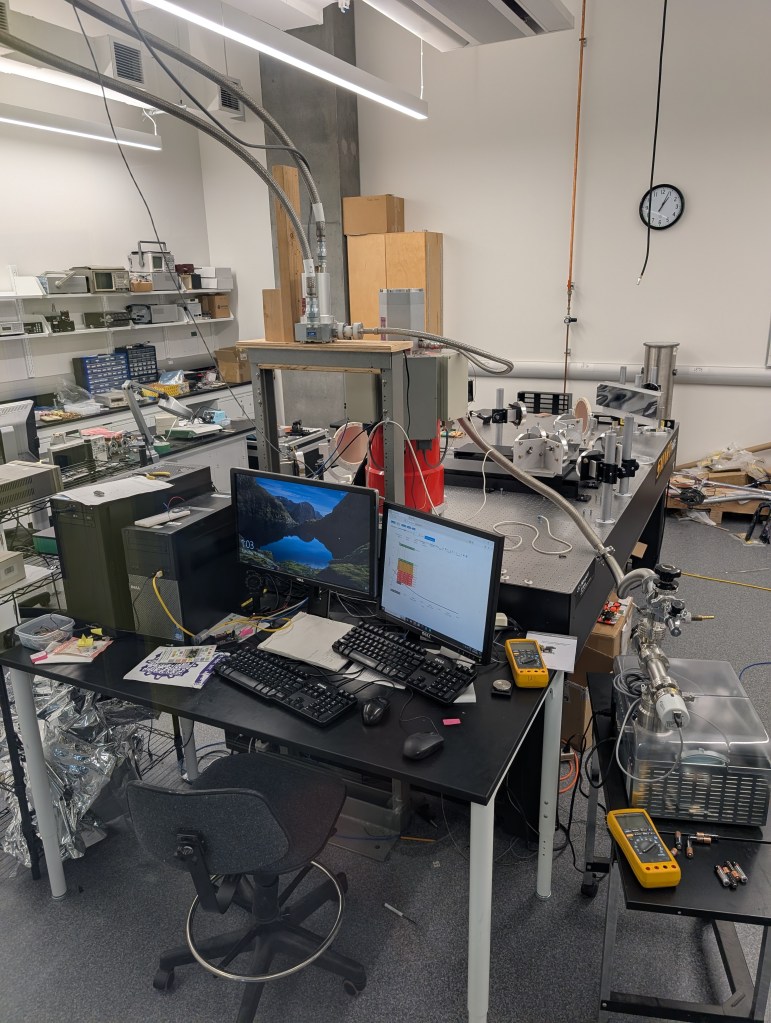
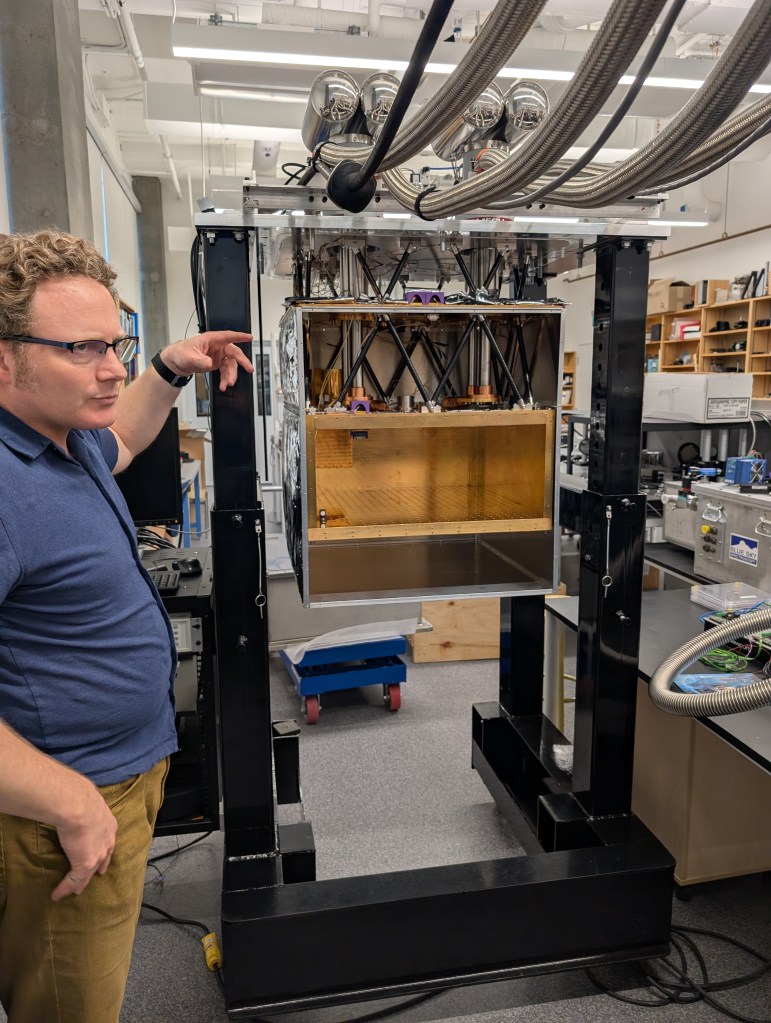
Our final tour was with Dr. Locke Spencer from the Physics and Astromony Department at the University of Lethbridge. We toured several of the lab spaces and learned about their work with NASA and other International Space Agencies. We also learned about the expanding Engineering Transfer Program, which sounded like an excellent opportunity to work in the state of the art new Science Commons Building. Dr. Spencer shared some of his incredible work with the cryosat and spatial/spectral interferometry. His passion and expertise were inspiring and we were surrounded by his poster presentations on the walls showcasing his work around the world.
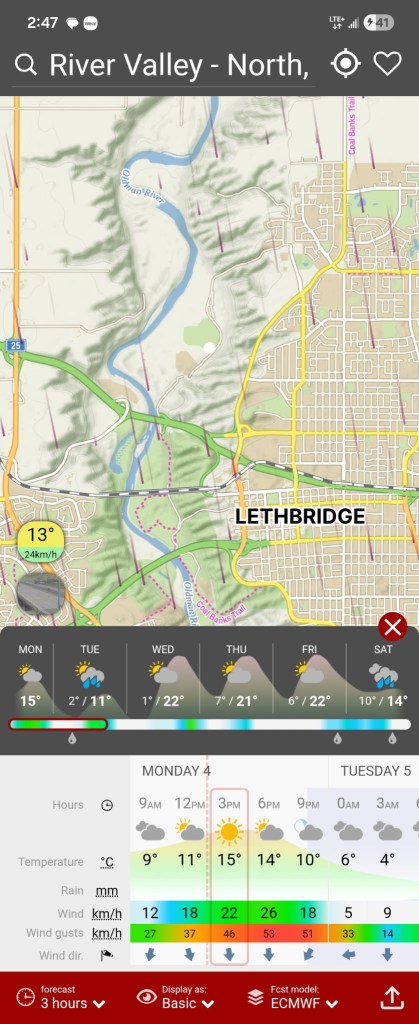
We had brought some of the drones from the SW Junior High Foundations of Flight course for some flight training with Mr. Christiansen. We had received permission from NavCanada to fly in the Lethbridge coulee near from the famous Lethbridge Viaduct, but the wind gusts of 50km/h made this impossible. We had attempted permission for our second day as well, but there were fire fighting water bomber exercises in the area and we were denied.