
Latest
-
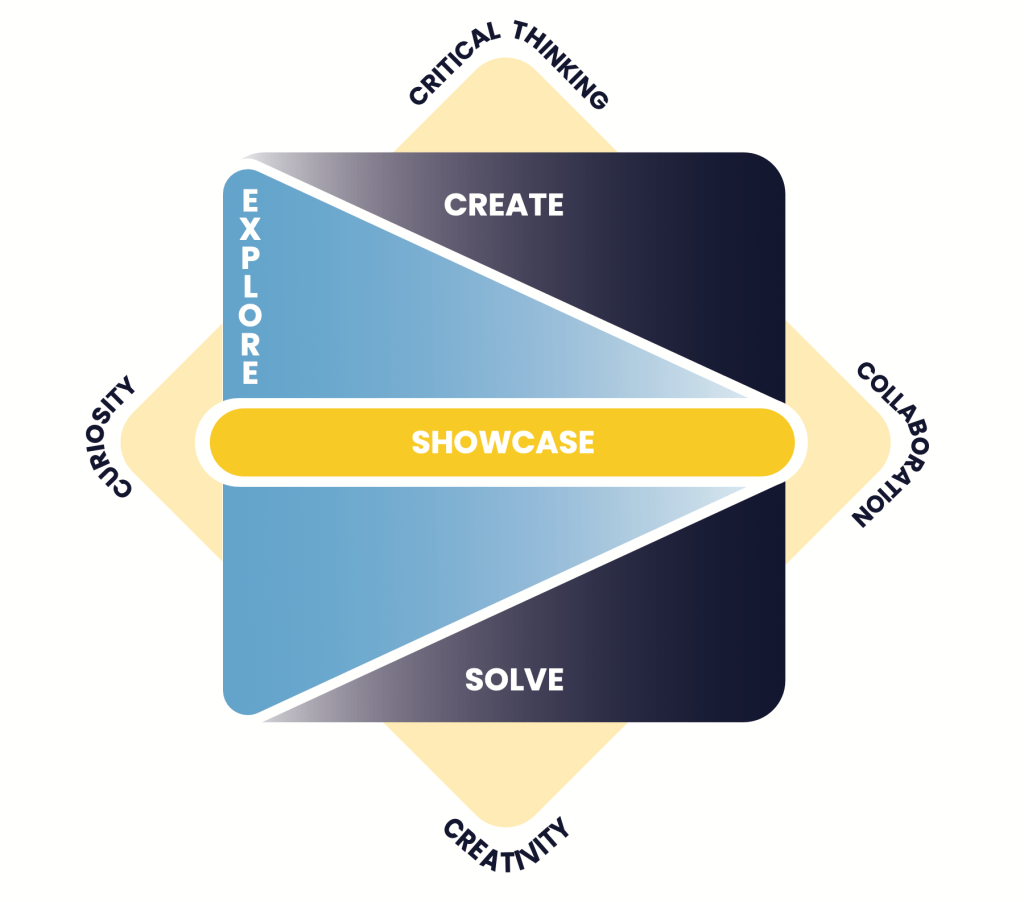
The STEMIA Design Process
The STEM Innovation Academy Design Thinking Process is an innovative approach to the traditional design thinking model. By emphasizing the overlap and continuous exploration throughout the three phases, we encourage a more dynamic and iterative approach to problem-solving. This approach aligns well with the nature of STEM (Science, Technology, Engineering, and Mathematics) fields, where constant Read more
-
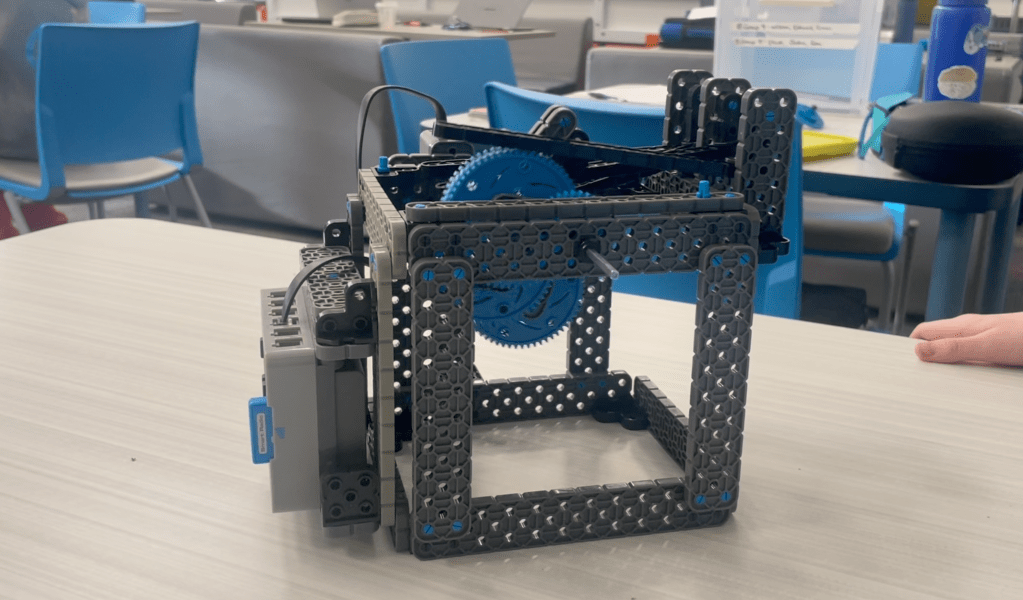
Grade 7 Motion Challenge
By Caitlyn TiedjeSW Junior High Math, Science, and Intro to Computational Thinking Students are wrapping up their final design challenge in our Grade 7 Introduction to Computational Thinking course at the South Junior High Campus. This project aligns with Alberta’s CTF / CTS competencies, with a focus on problem solving, design thinking, and the application Read more
-
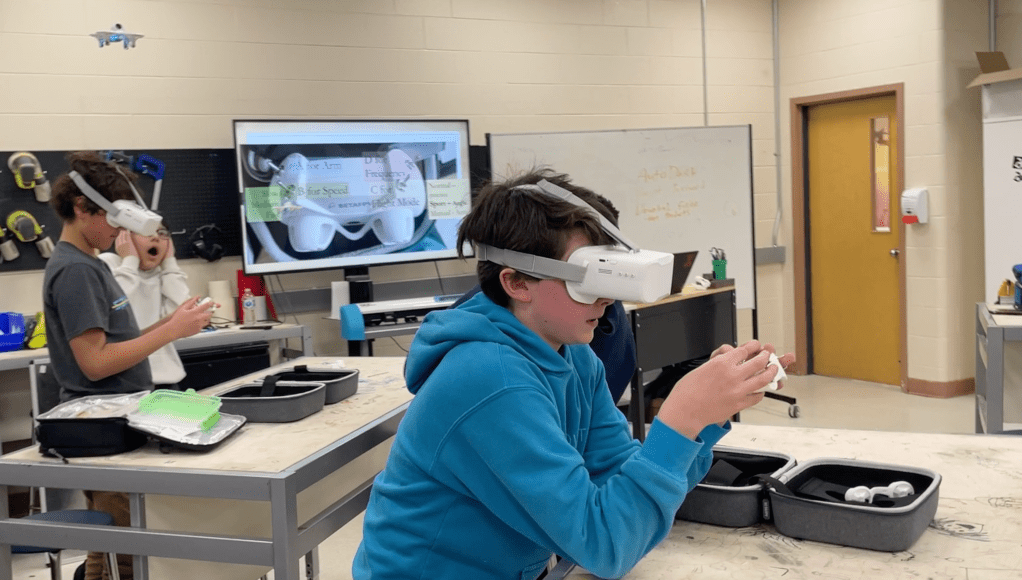
UAV Options Course Launch
By Tyler ChristiansenSW Junior High Options Teacher Something new is taking flight at our SW Junior High School — literally. Starting in semester 2 we’re launching a pilot Drone course called Unmanned Aerial Vehicles or UAV, and a small group of Grade 9 students will be the first to test it out. Drones sit at the intersection of Read more
-

Light Boxes
Students in our SW Junior High 3D Design and Engineering course are wrapping up the assembly of the light boxes they’ve been working on throughout the term. The project began with learning how to design scalable vector graphics in Adobe Illustrator and export them for cutting on our vinyl cutters. From there, students moved on Read more
-

Deer Anatomy Lesson
By Dave JosephSTEMIA SW Junior High Science and Options Our grade 8 students at the SW Junior High participated in an interesting dissection last week, the lungs and heart from a white tail deer that was recently harvested in Alberta by one of our teachers. During the field dressing phase the heart, lungs, and windpipe Read more
-

Grade 7 in Virtual Reality
Our grade 7 students have been busy coding and building virtual reality experiences using DelightEx. Working with this software, they tackled two unique projects. The first project challenged students to design a Rube Goldberg machine that demonstrated their understanding of loops, conditionals, variables, and functions. Their machines needed to include at least ten distinct elements Read more
 STEMIA Journal