
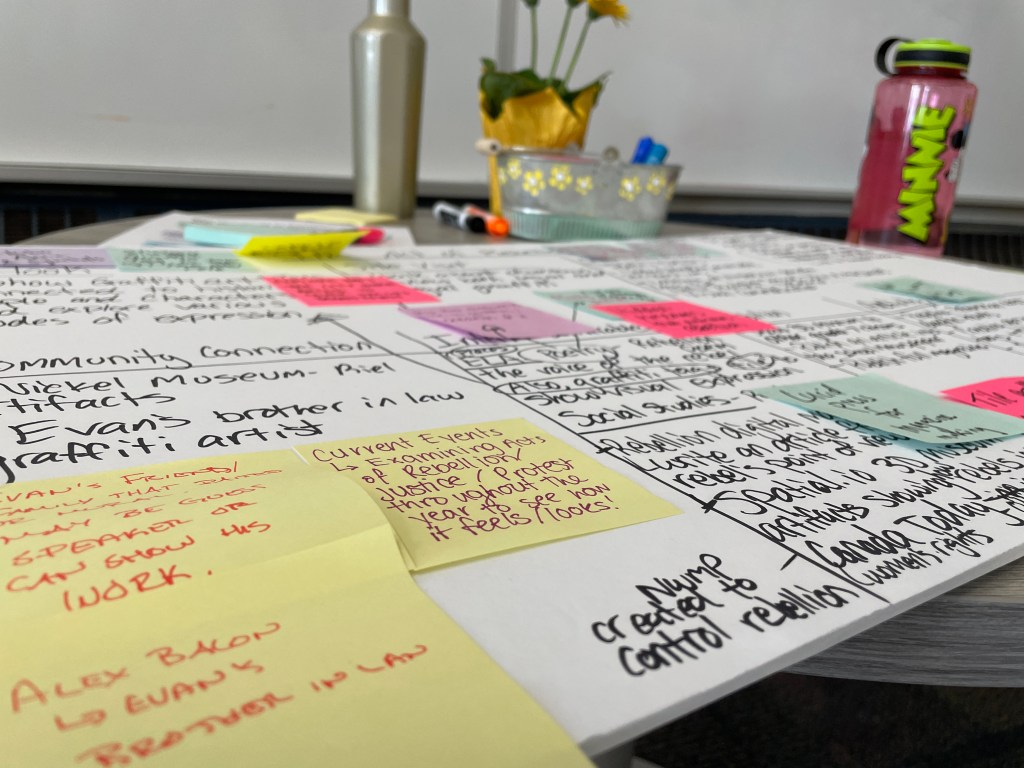
Big Ideas:
– Good ideas become great ideas when they’re given the time, space, and collaborative energy to incubate.
– The STEMIA Design Process is an effective tool for developing creative solutions to unique challenges, including designing powerful learning.
– Collaborative design for learning requires time, intention and practice.
– A school staff functions best with a common design vocabulary and reflection.
Norms:
- Be Fully Present: put 100% of your focus on the task at hand and sequence to tasks in a row, as opposed to splitting your focus on many tasks simultaneously. (put the device away:)
- Adopt a beginner’s mindset: “In the beginner’s mind there are many possibilities, in the expert’s mind there are few.” Suzuki, Shunryu
- Embrace Radical Collaboration: Lean in, take risks, get creative, embrace discomfort and have an awareness of your role in creating an engaging atmosphere.
- Bring a Creative Commons Mindset: All of the work is all of our work. Through sharing, eliciting and providing feedback to each other and exhibiting what we’ve created our work will be exponentially better.
- Make Learning Visible: “Making a process visible makes a practice reflect-able” ~ John Maeda.
Driving Questions/Deliverables:
– What is the STEMIA Design Process and how might we use it in our collaborative design?
– What are some processes and tools we might use through the design process?
– How might we use of the software and hardware tools available for student success and engagement?
Agenda:
8:30- Convene and Coffee in the Hive
8:45- Norms and Overview of the Day
8:50- Introduction to the STEMIA Design Process 2.0
9:05- Explore Phase Collaboration Activity
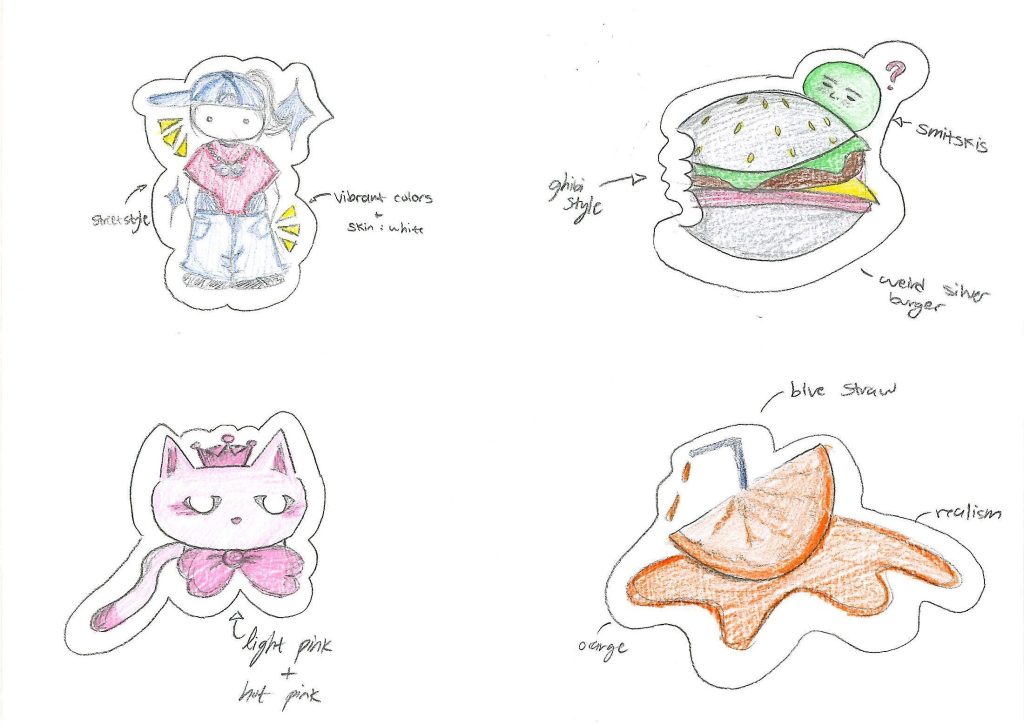
9:30- Create and Solve Activity
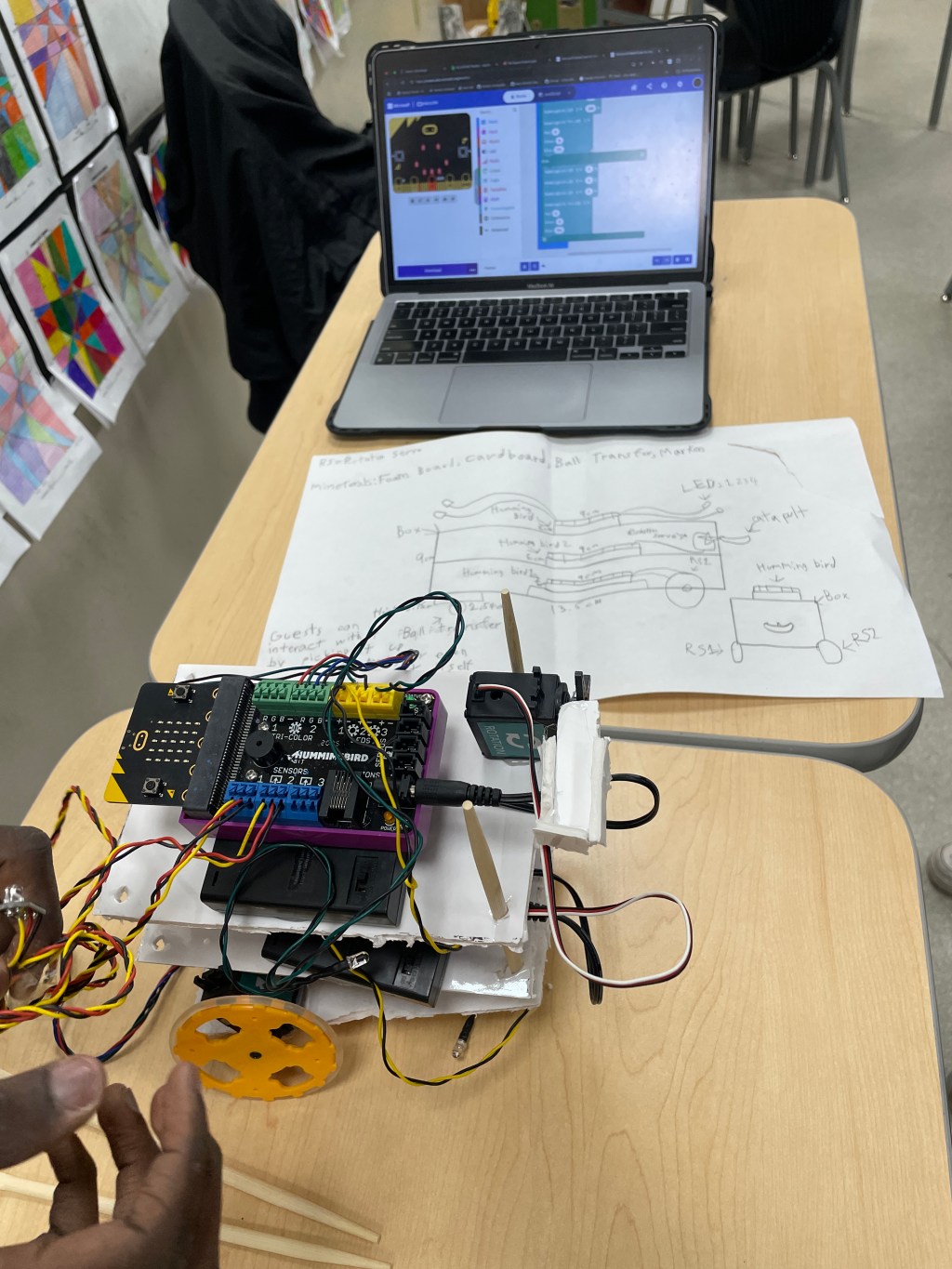
9:45- Systems Drawing
10:00-Collaboration Reflection
10:15- Break and Move to Breakout Sessions
10:30- Break Out Sessions A
– Schoology Tips and Best Practices: HIVE
– Leveraging AI: Taking Making into the Classroom: Maker Space
11:15- Break
11:30- Break Out Sessions B
– Introduction to Adobe Illustrator and Photoshop: Orchard
– Systems Thinking: Room 127
Resources:
 STEMIA Journal