Latest
-

New Media Student Art Exhibition
We’re proud to showcase some of our Grade 7 students’ New Media work this June on the community gallery wall at Stony Slope. The space features a rotating exhibition of creative work from artists across the community throughout the year. We were thrilled to contribute to this vibrant space by exhibiting a selection of our… Read more
-

Architectural Technologies Field Trip 8/9
By Tyler ChristiansenSTEM Innovation Academy Jr. High Options On a practically perfect day last week, our STEMIA Architecture students set out on a walking field trip through downtown Calgary to explore public art and architecture with a creative lens. The goal was to observe four elements—emotion, texture, shape, and pattern—across various installations and buildings. Each… Read more
-

Field Trip to Rothney Astrophysical Observatory
By Janessa BretnerScience, Math and Options Teacher SW Junior High Science 9 students attended a field trip to the Rothney Astrophysical Observatory. Students engaged with astrophysicists who shared insights into the technologies and methods used to explore the universe. During the visit, students participated in a hands-on field activity using surveying equipment and applied their… Read more
-
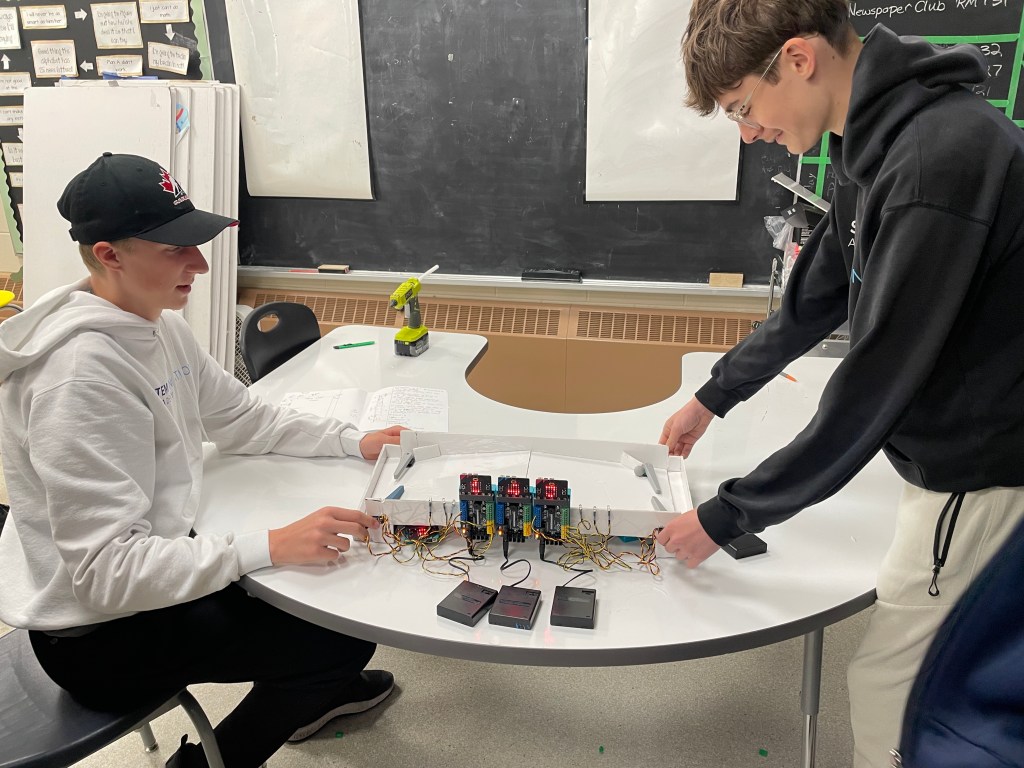
Creative Computing Kinetic Electronics
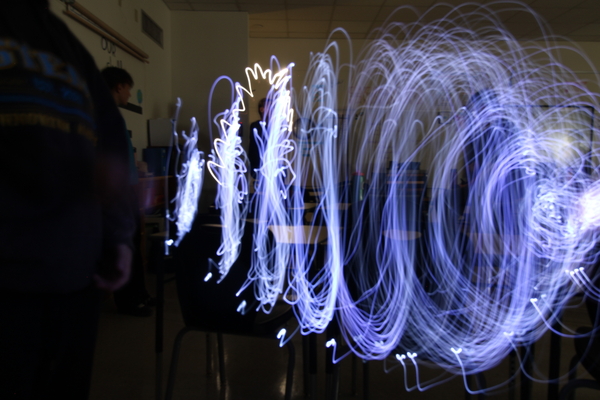
Our grade 9 Creative Computing course is wrapping up their electronic componentry arc by showcasing their kinetic art or interactive devices. Students were tasked with combining 3 Microbit microcontrollers, Hummingbird Bit Controllers, sensors, servos and LEDs to create a device that embodies the course title: Creative Computing. Students in this term levelled up their designs… Read more
-

Grade 9 Science Debate: Students Tackle Alberta’s Energy and Tech Future
By Janessa BretnerSTEMIA SW Junior High Science After two months of preparation, including many 7:30 a.m. mornings, dedicated Grade 9 Science students brought their research and critical thinking skills to life in the first Science 9 Debate. Exploring some of Alberta’s most pressing issues—nuclear energy, data centres, and electric vehicles—students delivered compelling arguments and demonstrated… Read more
-
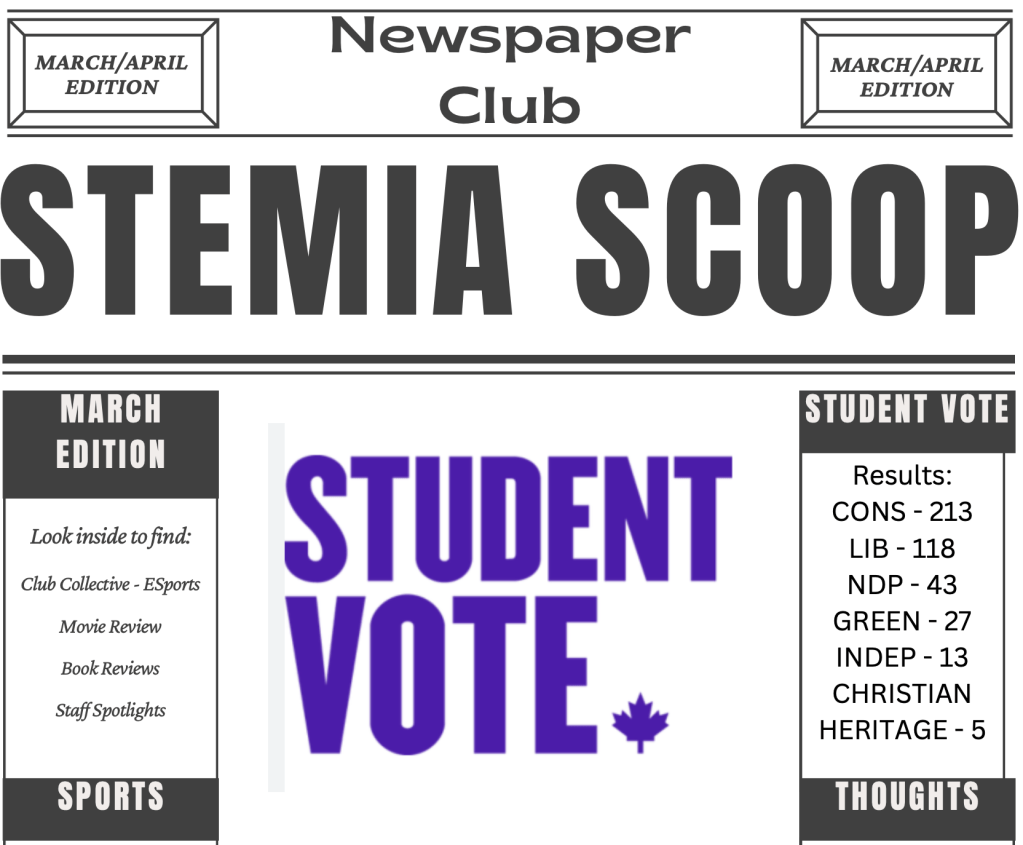
STEMIA Scoop Student Newspaper- March & April Edition
Read the latest from our STEMIA Scoop Student Newspaper Club from the Junior High. Follow our reporting on the Student Vote for the recent Federal Election, eSports Teams, a movie and book review, and more. Read more