
by Tyler Christiansen
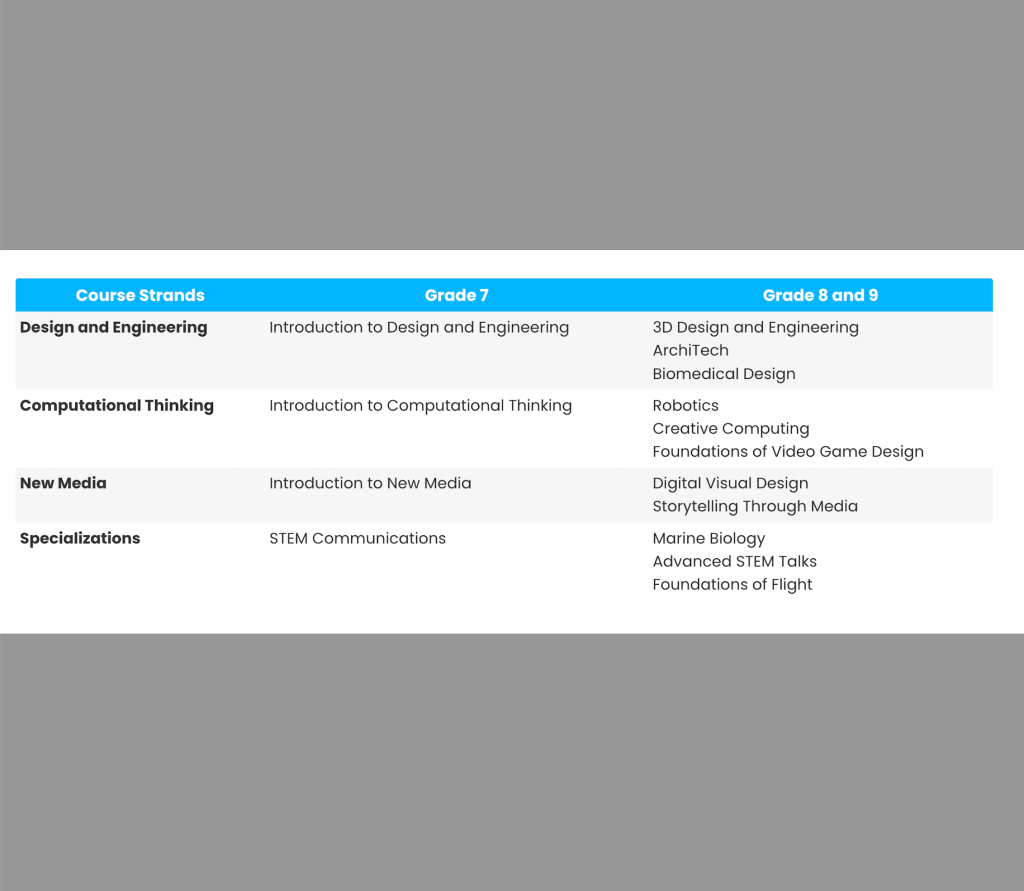
STEM Innovation Academy Junior High Options
In today’s classrooms, technology plays an increasingly significant role in enhancing student learning and providing new, real-world experiences. One such technology making waves is artificial intelligence (AI), particularly AI-driven tools like ChatGPT. As educators, we’re constantly exploring ways to bring more engaging, hands-on experiences to students, and ChatGPT is proving to be a powerful ally in this quest.
In our Biomedical Engineering course, students are tackling a real-world problem: designing prosthetic hands. The project mirrors the journey a biomedical engineer might take when developing assistive devices, taking students through key stages of the design process—from empathy to ideation, prototyping, testing, and iteration. But there’s a unique twist to this particular project: ChatGPT becomes the client.
Empathy: The First Step in Design
The first step in any design process is empathy—the phase where the designer understands the needs, challenges, and experiences of the client. In traditional scenarios, students might work with people who have physical disabilities or those who would benefit from prosthetics, conducting interviews and gathering data. But in our classroom, ChatGPT steps in as the virtual client, offering students the opportunity to interact with a conversational AI that simulates real-world client needs.
By engaging with ChatGPT, students learn how to communicate effectively with a client, ask the right questions, and truly understand the nuances of designing a prosthetic that addresses specific needs. ChatGPT, tailored to mimic a client’s responses, provides realistic feedback and insights into the challenges that individuals with prosthetics face daily.

For example, a student might ask ChatGPT:
“What challenges do you face when using your prosthetic hand?”
ChatGPT might respond with something like:
“I struggle with grip strength, especially when trying to pick up small objects like a pen or button.”
This type of exchange helps students understand the specific requirements of their design and fosters deeper empathy, ultimately guiding them to create more effective and thoughtful prosthetics.
Real-Life Learning Through AI
Incorporating ChatGPT into the design process enables students to experience a real-life simulation of working with a client. ChatGPT’s ability to respond to a variety of questions, offer specific feedback, and even simulate scenarios where the prosthetic might be tested allows students to refine their designs based on direct, actionable feedback.
The benefits of this interaction go beyond the technical aspects of the project. Students gain valuable experience in communication, learning how to ask precise questions and respond to feedback in a professional manner. The ability to hold a conversation with an AI-driven client mirrors the types of real-world interactions students may have in their careers, where they need to engage with clients, users, or stakeholders who may have different perspectives and needs.
Fostering Innovation and Critical Thinking
By using AI in this manner, we not only prepare students for the technical challenges of design but also foster critical thinking and innovation. Students are encouraged to think creatively about how to solve the unique problems posed by their “client.” Whether it’s improving the grip strength of a prosthetic hand or designing a more comfortable socket for a prosthetic leg, the project pushes students to innovate and test ideas—skills that are essential for any successful engineer.
The Role of AI in Education
The use of AI in education is still a relatively new frontier, but it’s rapidly evolving as a tool that can enhance learning in numerous ways. ChatGPT, in particular, has the potential to serve as a versatile educational tool, enabling students to access personalized feedback, simulate real-world interactions, and even participate in complex problem-solving scenarios.
By leveraging AI, we create opportunities for students to engage in authentic, hands-on learning experiences that prepare them for the challenges they will face in their careers. In the case of our biomedical engineering course, ChatGPT offers an invaluable resource for students, providing a realistic, interactive client experience that helps them build empathy, improve their designs, and refine their prototypes.
Looking to the Future
As we continue to integrate AI into our classrooms, we see the potential for these tools to help students build skills that will serve them in their future careers. The project, where ChatGPT offers a helping hand, is just one example of how AI can foster creativity, communication, and problem-solving skills that are critical in the ever-evolving world of engineering and beyond.
By embracing the positive use of AI in schools, we empower students to think critically, engage in real-world scenarios, and develop the skills necessary to succeed in today’s rapidly changing world. With tools like ChatGPT, the future of education is truly looking brighter.
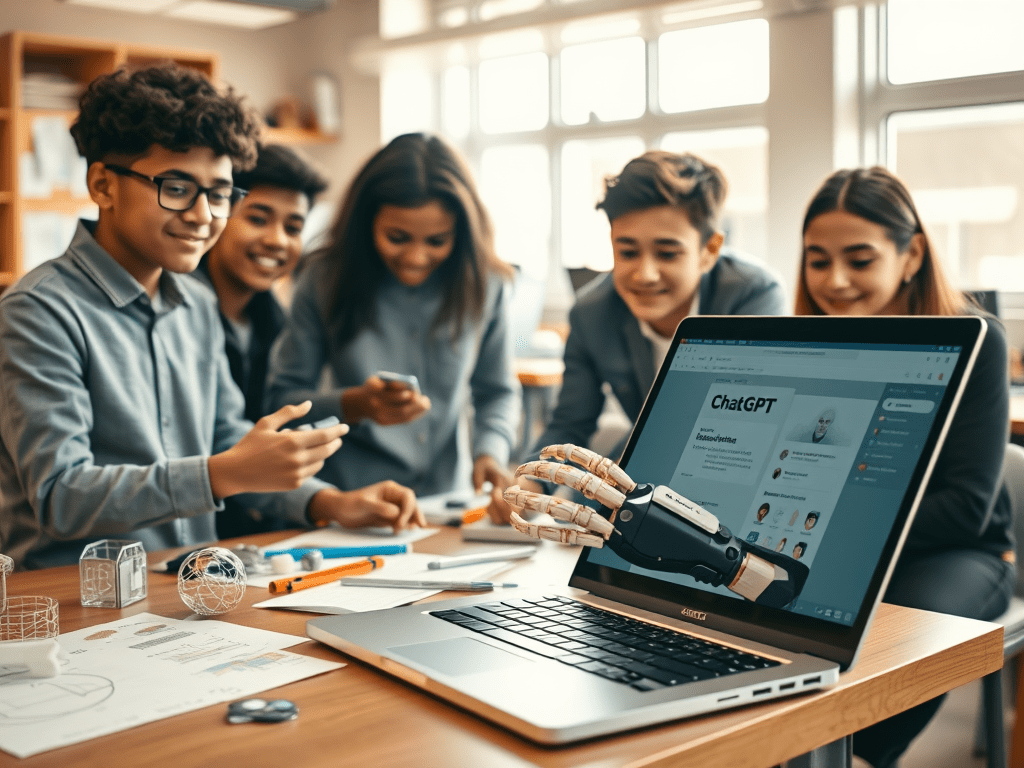
Feature image generated using WordPress Ai plugin based on the text of the blog post.
 STEMIA Journal