

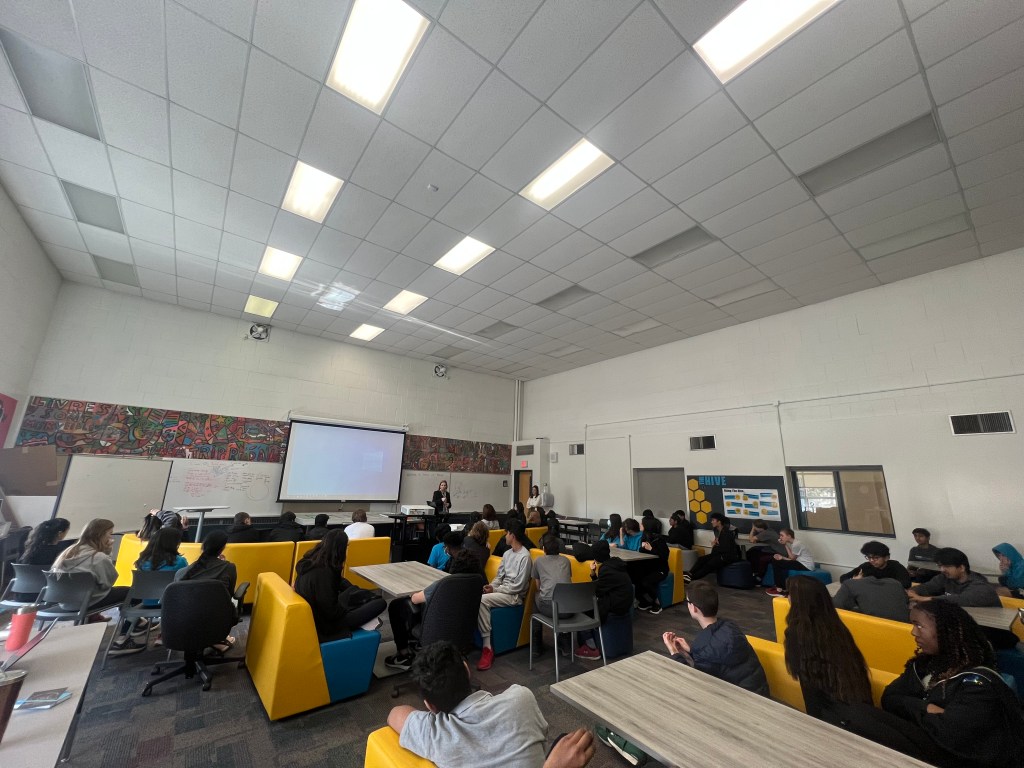

On April 14th, STEM IA welcomed guest speaker Marina Fischer, a numismatics specialist and curator from the Nickle Gallery at the University of Calgary. Marina brought in artifacts from the Medieval times, the Silk Road, the Renaissance, and the Aztec civilization to show students. She helped students to understand how important currency can be to understanding ancient societies as well as our society today.
STEM IA’s Grade 8 HUM Team were able to visit Ms. Fischer and the Nickle Galley Collection during Teacher’s Convention in February and instantly saw the connection between the currency collections at the UofC and the grade 8 curriculum, as well as the deeper ties that currency has to understanding worldview. The incredible opportunity to view such important pieces of history was brought to the students at STEM IA to further develop and extend their learning
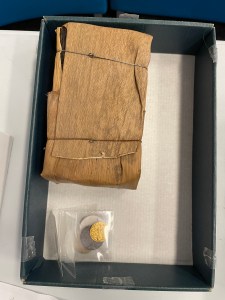
A curator who works in numismatics, like Ms. Fischer, plays an important role in preserving and interpreting our history through the study and display of currency-related objects. By working to acquire, preserve, and interpret these objects, they help to provide a deeper understanding of the economic, cultural, and political systems of the past, and how they have influenced our world today.
Ms. Fischer’s visit to the STEM Innovation Academy provided students with a unique opportunity to learn about the history and culture of the Renaissance through the study of ancient coins. Coins from ancient Greece, Rome, and other parts of the world were on display, giving students a glimpse into the economic and cultural systems of the past.

Ms. Fischer began the session by giving a brief overview of the history and significance of ancient coins. She explained that coins were not only a means of exchange but also a way to communicate cultural and political messages. Coins often depicted rulers, symbols, and other images that were important to the culture at the time.
After the introduction, students were able to examine the artifacts and coins up close and make observations about their size, weight, and design. They were encouraged to think critically about what the artifacts and images represented and how they related to the culture in which they were created.
We want to thank Ms. Fischer for providing our students and teachers with an opportunity to learn about the history and culture of the Renaissance, Medieval times, and the Aztecs in a unique and engaging way.

 STEMIA Journal